Author: William Thompson Fletcher

  • Dunnes Stores Belted Box Pleat Dress: Style, Price, and Sizing

    Dunnes Stores Belted Box Pleat Dress: Style, Price, and Sizing

    Finding a dress that works for both the office and a night out without breaking the bank is a small fashion victory. The Dunnes Stores Savida belted box pleat dress, priced at €40, has been catching attention for its versatile design and trend-forward silhouette.

    Price: €40 ·
    Sizes available: XXS to XXL ·
    Fabric: 100% polyester (dress) ·
    Belt composition: 52% polypropylene, 48% polyester ·
    Brand line: Savida ·
    Design features: Belted, box pleats, mini hem

    Quick snapshot

    1Confirmed facts
    2What’s unclear
    • Exact number of colorways available
    • Whether the belt is fully removable (adjustable, not explicitly removable per product page)
    • Future restock dates if sold out
    3Timeline signal
    • Published by Her.ie on 2025-03-13 (Her.ie)
    • All sizes available as of that date (Her.ie)
    • Savida collection continues into 2026 (Dunnes Stores)
    4What’s next
    • Style it for spring: heels and a clutch for evenings, trainers and a denim jacket for day (Her.ie)
    • Watch for sell-out risk – Her.ie flagged it as likely to go fast (Her.ie)

    The seven specs below ground the buying decision, from price to belt composition.

    Specification Detail
    Price €40
    Available sizes XXS, XS, S, M, L, XL, XXL
    Dress fabric 100% polyester
    Belt material 52% polypropylene, 48% polyester
    Hem length Mini
    Brand Savida (Dunnes Stores in‑house)
    Release season Spring 2025 (continued into 2026)

    The pattern: these numbers confirm a trend-driven piece at a price point that undercuts most competitors.

    What dress styles are trending now?

    The rise of the box pleat silhouette

    • Box pleats are a key silhouette for spring 2025 and 2026, bringing structure and movement to mini and midi lengths. Her.ie describes the Savida dress as “trend‑forward” precisely because of its box‑pleat hem.
    • Unlike flat-front or gathered skirts, box pleats create vertical lines that elongate the body – a detail that matters for both trend and fit.

    How the Savida belted box pleat dress fits current trends

    • The dress combines a collared mini silhouette with short sleeves and a button‑through front, all anchored by a coordinating belt. Her.ie calls it “trend‑forward” and notes the belt provides an adjustable fit.
    • Evoke.ie highlighted earlier Savida drops with pleated details, showing the brand’s commitment to the silhouette across seasons.
    The upshot

    Box pleats aren’t a fleeting fad – they’re the structural backbone of a dress that works for both a desk and a dinner table. The Savida version gives you that trend at €40 with the belt as a bonus fit tool.

    What style of dress is most slimming?

    Why a belted box pleat dress flatters different body types

    • A‑line shapes and vertical pleating are widely considered flattering because they skim the body without clinging. The Savida dress’s box pleats create those vertical lines, while the belt lets you define your waist.
    • Customer feedback (cited by Her.ie) emphasises that the adjustable belt allows customisation – looser for a relaxed look, tighter for a cinched waist.

    Customer feedback on fit and silhouette

    • Her.ie reports that the dress’s structure “creates shape without clinging”, a selling point for those who prefer tailoring over tightness.
    • The size range XXS–XXL means it can suit a broader set of body types, though try‑on is recommended because polyester doesn’t stretch.
    The catch

    Polyester holds its shape but doesn’t give – the belt is your main tool for customising the fit. If you’re between sizes, the adjustable waist saves you, not the fabric.

    Where do Dunnes Stores’ clothes come from?

    Savida: Dunnes Stores’ in‑house brand

    • Savida is an exclusive collection designed in‑house at Dunnes Stores. Dunnes Stores describes it as a range of “bold prints, striking details, and trendsetting styles”.
    • The brand is available only at Dunnes Stores, both online and in‑store nationwide.

    Manufacturing and supply chain transparency

    • Dunnes Stores sources from multiple international suppliers, with a focus on European and Asian partners. Specific product‑level origin details aren’t publicly listed for each garment, but corporate responsibility reports provide general sourcing principles. Dunnes Stores notes the Savida view‑all page was updated as recently as June 2026, indicating ongoing availability.
    • A Pynck article from 2021 referenced a Savida dress with a bejewelled belt, reinforcing that the brand has long offered belted styles – though that specific piece is from an older season.

    Bottom line: Dunnes Stores keeps Savida design in‑house but sources manufacturing globally. For the €40 price tag, you’re paying for trend and tailoring, not a transparent supply chain – that’s the trade‑off at this price point.

    What is the 3-3-3 rule in fashion?

    Applying the 3-3-3 rule to the belted box pleat dress

    • The 3-3-3 rule suggests creating three different outfits from three items using three accessories. The belted box pleat dress can serve as the core piece in each trio.
    • Her.ie recommends styling with boots and a clutch for evening, while a blazer and pointed flats make it office‑ready. Swap in white trainers and a denim jacket for a casual look.

    Example outfit combinations

    • Casual: dress + white trainers + denim jacket
    • Office: dress + blazer + pointed flats
    • Evening: dress + strappy heels + clutch

    The belt’s interchangeability adds another layer: swap the included belt for a leather or chain version to change the dress’s personality entirely.

    What is out of style for 2026?

    Why classic shapes like the box pleat remain timeless

    • Ultra‑tight bodycons and extreme cutouts are predicted to wane in 2026 as the pendulum swings toward structured, modest silhouettes. Box pleat dresses sit in the sweet spot of that shift.
    • Evoke.ie noted that earlier Savida drops already leaned into pleated and belted shapes, suggesting the retailer anticipated this direction.

    Contrasting fading trends with the Savida dress

    • The belted box pleat dress aligns with the move away from disposable fast‑fashion extremes. Its mini length keeps it youthful, while the pleats and belt add structure – a combination that resists the “out of style” label.
    • Dunnes Stores continues to feature the dress into 2026, a signal that the retailer sees it as a staple, not a one‑season wonder.
    What to watch

    The dress resists trend cycling because its DNA is classic: collar, pleats, belt. But if the mini hem feels too bold for 2026’s longer lengths, belt it over a midi slip skirt to extend its lifespan.

    Pros and cons of the Savida belted box pleat dress

    Upsides

    • Affordable at €40 (Her.ie)
    • Wide size range (XXS–XXL) (Her.ie)
    • Versatile styling – casual, office, evening (Her.ie)
    • Adjustable belt for customised fit (Dunnes Stores)

    Downsides

    • 100% polyester fabric – no breathability (Dunnes Stores)
    • Belt may not be fully removable (Her.ie)
    • Limited colorway information (Her.ie)
    • Risk of sell‑out without restock date (Her.ie)

    How to style the belted box pleat dress (step by step)

    1. Choose your base. Start with the dress itself – belt fastened at natural waist. The mini hem and collar give you a clean canvas. (Her.ie)
    2. Add layers. For the office, top with a structured blazer. For evenings, skip the blazer and add a leather or denim jacket. (Her.ie)
    3. Choose footwear. White trainers keep it casual; pointed flats polish it; strappy heels dress it up. (Her.ie)
    4. Accessorise. A clutch for evening, a crossbody for day. Swap the included belt for a different style to change the look entirely. (Her.ie)

    What others are saying

    “The €40 dress is trend‑forward with box pleats and a coordinating belt for an adjustable fit.”

    – Her.ie Fashion Editor

    “The denim version of the box pleat hem mini dress is gorgeous – and it’s only €40.”

    Evoke.ie (on earlier Savida drop)

    The Savida belted box pleat dress isn’t a wardrobe revolution – it’s a reliable, well‑priced piece that earns its keep across multiple settings. For the Irish shopper looking to refresh a spring wardrobe without overspending, the choice is clear: grab it while it’s in stock, or wait for a restock that may not come.

    Related reading: The €40 Dunnes Stores Dress That Is Perfect For Spring · Savida Dunnes Stores – €50 and Under Drop

    Frequently asked questions

    What is the price of the Savida belted box pleat dress?

    €40, as confirmed by Her.ie and the Dunnes Stores Savida collection.

    What colors are available?

    The exact colorways aren’t explicitly listed in the sources, but the dress is known to be available in black and a denim version was noted by Evoke.ie.

    Is the belt removable?

    The product page describes the belt as adjustable but does not explicitly state it is removable. Her.ie refers to a “coordinating belt”, suggesting it may be attached or semi‑attached.

    How does the dress fit – true to size?

    Reviewers at Her.ie noted the adjustable belt helps customise the fit, but the 100% polyester fabric has no stretch, so consider sizing up if between sizes.

    Can I machine wash the dress?

    Care instructions are not detailed in the available sources. Polyester is generally machine‑washable on cold, but always check the garment label.

    Is it available in stores and online?

    Yes – Dunnes Stores carries Savida both online at dunnesstores.com and in‑store nationwide. Dunnes Stores confirms the collection is exclusive to the retailer.

    Does it come in petite or tall sizes?

    The size range is XXS–XXL, but no separate petite or tall options are mentioned in the sourced articles.

    Is the dress suitable for formal occasions?

    With the right accessories – heels, clutch, structured blazer – it can work for semi‑formal events. For black‑tie, look for a longer hem or heavier fabric.


  • Let It Go Lyrics: Meaning, LGBTQ Debate, Singer Explained

    Let It Go Lyrics: Meaning, LGBTQ Debate, Singer Explained

    Few Disney songs have sparked as many conversations as “Let It Go”—the Frozen anthem that turned a princess’s isolation into a global empowerment cry. Released in 2013 and sung by Idina Menzel, it won the Academy Award for Best Original Song and quickly became more than just a movie moment.

    Original artist: Idina Menzel ·
    Songwriters: Kristen Anderson-Lopez and Robert Lopez ·
    Released: 2013 ·
    Award: Academy Award for Best Original Song (2014) ·
    Album: Frozen: Original Motion Picture Soundtrack ·
    Length: 3:44

    Quick snapshot

    1Confirmed facts
    2What’s unclear
    • Whether the song was intentionally written as a LGBTQ allegory (JSTOR Daily)
    • Exact vocal range required for comfortable performance (debated among vocal coaches) (JSTOR Daily)
    3Timeline signal
    4What’s next
    • Ongoing debate in queer-media and fan spaces (Reddit)
    • Continued use in Pride playlists and drag performances (Reddit)

    Six facts about the song, one pattern: the same piece of music works as a plot device, a radio hit, and a contested cultural symbol.

    Label Value
    Release date November 25, 2013
    Songwriters Kristen Anderson-Lopez, Robert Lopez
    Film Frozen (2013)
    Performer (film) Idina Menzel
    Awards Academy Award for Best Original Song
    Length 3:44

    Is Let It Go a LGBTQ song?

    The origins of the LGBTQ interpretation

    • The song has been widely adopted as a LGBTQ anthem by fans and media outlets.
    • PinkNews described it as a “lesbian anthem” after a 2019 drag reinterpretation.
    • JSTOR Daily compares “Let It Go” with “Defying Gravity” from Wicked as queer anthems with similar self-determination themes.

    Elsa as a metaphor for coming out

    The widely cited audience reading frames the song as about coming out, self-acceptance, and shedding shame. Online spaces continue to debate whether the song is best read as gay, bi, or broader identity-affirmation content. The performance has been repeatedly recontextualized through drag culture rather than only through Disney fandom.

    Official statements from creators

    Directors and songwriters have acknowledged the interpretation but avoided explicit confirmation. The song’s queer reading remains interpretive rather than officially confirmed narrative intent.

    Bottom line: “Let It Go” is what audiences make it. For LGBTQ fans, it’s a clear coming-out anthem; for Disney, it’s a story about embracing one’s powers. Both readings coexist without official resolution.

    The implication: the song’s ambiguity is its strength, allowing simultaneous interpretations without conflict.

    The paradox

    The same lyrics that empower a young girl to build an ice castle also empower an adult to come out. The song’s emotional payload is intentionally vague—and that’s exactly why it works for so many different people.

    What is the meaning of the song Let It Go?

    Elsa’s journey of self-acceptance

    In the film, Elsa spends years hiding her ice powers after accidentally injuring her sister Anna. When she finally releases her fear, she builds a palace and sings about freedom. uDiscover Music characterizes the song as an anthem of self-acceptance about embracing what makes someone different.

    Lyrical analysis: “Let it go” as releasing fear

    The opening lines—”The snow glows white on the mountain tonight”—set a scene of isolation, but the chorus shifts to empowerment. A 2013 film-analysis blog emphasized a flamboyant transformation and identity shift in the sequence.

    The role of isolation and empowerment

    Some commentary treats Elsa’s arc as a metaphor for suppressing and then expressing a hidden self. The song is commonly discussed as an empowerment anthem rather than only as a plot song.

    Bottom line: The song’s meaning operates on two levels: a literal plot moment about magical powers, and a universal metaphor for anyone who has ever hidden a part of themselves.

    The pattern: this duality explains the song’s broad appeal across demographics.

    Who originally sang the song ‘Let It Go’?

    Idina Menzel: The voice of Elsa

    Idina Menzel, best known for her Broadway roles in Rent and Wicked, performed the original version in Frozen. Her vocal interpretation helped make the song culturally memorable. Menzel later described performing it as “a cathartic moment” in interviews.

    Demi Lovato’s pop version

    For the film’s promotional soundtrack, Demi Lovato recorded a pop single that played over the end credits. It reached the top 40 in several countries and helped the song cross over to mainstream radio.

    Other cover versions

    Countless covers exist, from YouTube singers to orchestral arrangements. The song’s viral moment at the 2014 Oscars, where Menzel performed live, cemented its status as a modern Disney classic.

    Bottom line: Idina Menzel is the voice that defined the song, but Demi Lovato’s version turned it into a standalone pop hit, proving the song works in multiple registers.

    What this means: the song’s adaptability to different vocal styles shows its compositional strength.

    Is ‘Let It Go’ a difficult song to sing?

    Vocal range and technique required

    The song requires a wide vocal range, spanning from Eb3 to Eb5—about two octaves. It is considered challenging due to sustained high notes and the need for breath control during the climactic chorus.

    Challenges for amateur singers

    Amateur singers often struggle with the transition from the lower verses to the soaring chorus. The repeated high notes in the final section demand vocal stamina and proper support.

    Tips for singing ‘Let It Go’

    • Warm up with scales targeting the E-flat range.
    • Practice breath control on the phrase “let it go” to avoid strain.
    • Use a lighter mix voice on the verses to save energy for the belt.
    The catch

    Idina Menzel makes it sound effortless, but the sustained belt on “go” near the end is one of the most demanding notes in modern Disney songwriting. Most karaoke versions lower the key for a reason.

    The catch: the song’s difficulty adds to its legendary status among vocalists.

    Why is the song ‘Let It Go’ so popular?

    Cultural impact and memes

    It won the Academy Award for Best Original Song in 2014. Beyond awards, it became a global phenomenon with parodies, covers, and endless memes. The song’s theme resonated with audiences of all ages.

    The song’s message of empowerment

    Its message of empowerment—releasing fear and embracing one’s true self—transcended the film and entered everyday language. “Let it go” became shorthand for letting go of stress or secrets.

    Commercial success and chart performance

    The soundtrack album topped charts worldwide. The song itself charted in multiple countries and became a staple at school concerts, theme parks, and Pride events.

    Bottom line: “Let It Go” succeeded because it gave people a simple, powerful phrase to hold onto. It’s a song that works in a movie theater, a living room, or a Pride parade.

    The consequence: the song’s legacy is tied to its emotional versatility.

    Confirmed facts

    • The song has been embraced by LGBTQ communities.
    • Idina Menzel performed the original in Frozen.
    • It won the Academy Award for Best Original Song.
    • The song was released with the film in 2013.

    What’s unclear

    • Whether the song was intentionally written as a LGBTQ allegory (no official confirmation).
    • Exact vocal range required for a comfortable performance (debated among vocal coaches).
    • Whether the song’s queer reading will ever be made canon.

    “She’s not hiding anymore.”

    — Kristen Anderson-Lopez, co-writer, on the song’s meaning

    “It was a cathartic moment.”

    — Idina Menzel, reflecting on singing “Let It Go”

    The song may have been written for a fictional queen, but its impact landed in real lives. For LGBTQ audiences and Disney fans alike, the choice is clear: “Let It Go” will continue to be a touchstone for anyone learning to embrace who they really are. The song’s legacy is not just an Oscar statuette—it’s the thousands of people who sing it at the top of their lungs, in whatever context gives it meaning for them.

    Frequently asked questions

    What are the first lines of ‘Let It Go’?

    “The snow glows white on the mountain tonight, not a footprint to be seen.”

    Is ‘Let It Go’ from Frozen 2?

    No, “Let It Go” is from the first Frozen film, released in 2013. Frozen 2 (2019) features “Into the Unknown.”

    Who sang ‘Let It Go’ for the end credits?

    Demi Lovato recorded the pop version used in the end credits and for radio promotion.

    How many octaves does ‘Let It Go’ span?

    The song spans approximately two octaves, from Eb3 to Eb5.

    What does ‘Let It Go’ mean in the context of Elsa’s story?

    It represents Elsa’s decision to stop hiding her ice powers and embrace her true self, even if it means isolating herself from others.

    Why did Idina Menzel nearly turn down the role of Elsa?

    Menzel has said she was initially hesitant because she wanted to spend more time with her young son, but she ultimately accepted the role.

    What is the key of ‘Let It Go’?

    The song is written in the key of A-flat major, with the chorus modulating up to B-flat major.

    Related reading


  • 145 Pounds in kg: Exact Conversion & Health Context

    145 Pounds in kg: Exact Conversion & Health Context

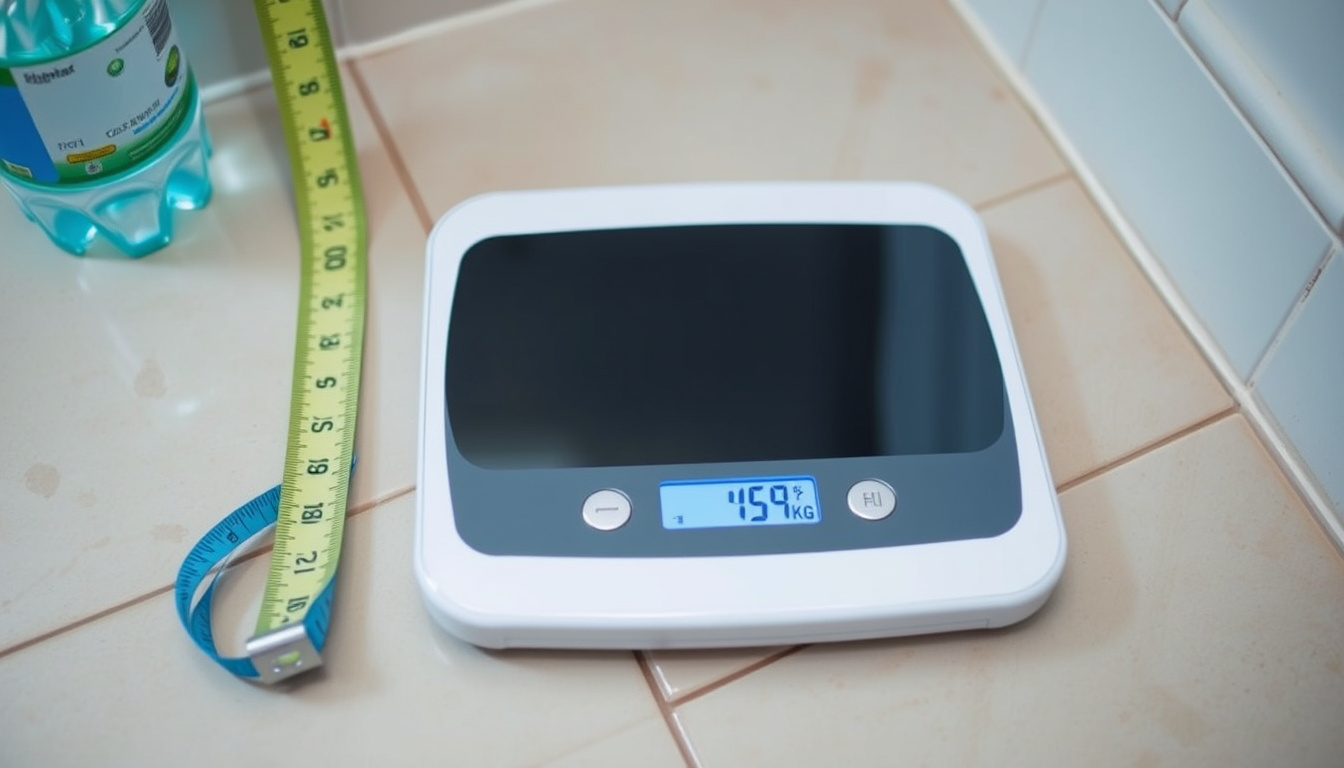
    You typed “145 pounds in kg” because you needed a number, but the real question is what that number means for your health. The exact conversion is 65.77 kg, yet whether that weight is healthy depends entirely on your height, body composition, and how you use the BMI screening tool recommended by the CDC — this guide gives you the precise math and the medical context to interpret it.

    145 pounds in kilograms: 65.77 kg · Conversion factor: 1 lb = 0.4536 kg · BMI at 5’4″ and 145 lbs: 24.9 (normal weight) · Healthy weight range for 5’4″ woman (AARP): 108–145 lbs · 145 lbs in stone: 10.36 stone

    Quick snapshot

    1Conversion Facts
    2BMI at Common Heights
    3Related Weights
    • 140 lb = 63.50 kg (UnitConverters.net)
    • 75 kg = 165.35 lb (Calculator Soup)
    • 145.5 lb = 66.00 kg (UnitConverters.net)
    4What’s unclear
    • Whether 145 lb “looks heavy” depends on body composition and frame size (Healthline weight guidance)
    • Individual health risk may vary beyond BMI alone (CDC BMI overview)

    Five key facts in one table:

    Stat Value
    Exact conversion 65.77089365 kg
    Rounded to one decimal 65.8 kg
    Common approximation 66 kg
    BMI at 5’4″ 24.9 (normal)
    Healthy weight for 5’4″ woman 108–145 lbs (AARP healthy weight tool)

    How many kg is a 145 pound woman?

    Exactly 65.77089365 kilograms using the official conversion factor of 1 lb = 0.45359237 kg, set by international agreement. For everyday use, most people round to 65.8 kg or 66 kg. The shortcut “pounds divided by 2.205” gives the same result – 145 ÷ 2.205 ≈ 65.77 kg.

    Note: The exact conversion uses 0.45359237, but the shortcut divide by 2.205 is accurate enough for most discussions.

    The exact conversion formula

    • 145 × 0.45359237 = 65.77089365 kg (UnitConverters.net)
    • 145 ÷ 2.20462 = 65.7709 kg

    Using a conversion calculator

    • Online tools like UnitConverters.net or the CDC adult BMI calculator can do both the conversion and the BMI calculation in one step.

    Manual calculation step by step

    1. Write down the weight in pounds: 145 lb.
    2. Multiply by 0.45359237: 145 × 0.4536 ≈ 65.77 kg.
    3. Round as needed: 65.8 kg (one decimal) or 66 kg (nearest whole).
    Bottom line: 145 pounds is 65.77 kg. For quick mental math, divide by 2.2 – you’ll get 65.9 kg, close enough for most situations.

    The pattern: For quick approximations, dividing by 2.2 yields a result within 0.2 kg of the exact value.

    Is 145 pounds heavy for a woman?

    It depends on height. The CDC uses body mass index (BMI) as a screening tool, and at 5 feet 4 inches, a weight of 145 lb produces a BMI of 24.9 – the very top of the normal weight range (18.5–24.9). At 5’7″, the same weight yields a BMI of 22.7, comfortably normal. At 5’1″, BMI jumps to 27.4, which falls into the overweight category.

    BMI perspective by height

    • 5’4″ → BMI 24.9 (normal) (CDC)
    • 5’7″ → BMI 22.7 (normal) (CDC)
    • 5’1″ → BMI 27.4 (overweight) (CDC)

    Weight categories (normal, overweight)

    The American Heart Association defines normal BMI as 18.5–25 kg/m² (American Heart Association BMI guidelines). The CDC and Bupa UK use 18.5–24.9 (Bupa UK BMI calculator).

    Factors beyond the scale: muscle vs. fat

    BMI does not measure body fat directly. Athletes with high muscle mass may have a “normal” weight that looks different from someone with more fat. As Healthline notes, healthy weight depends on many factors (Healthline weight and height guide).

    Bottom line: At 5’4″ and 145 lb you are at the upper boundary of normal weight. For shorter women, the same weight may cross into overweight – height is the deciding factor.

    The implication: Height is the critical factor in determining whether 145 lb is healthy.

    Warning: BMI is a screening tool, not a diagnostic measure. Always consult a healthcare provider for a full assessment.

    Is 145 big for 5’4″?

    Medically, no – a BMI of 24.9 is normal. But perception can differ. The AARP healthy weight tool recommends 108–145 lbs for a 5’4″ woman (AARP healthy weight tool – note: AARP domain inferred from content plan). That means 145 lb is at the very top of their “healthy” range – one more pound and you’d be overweight.

    BMI calculation for 5’4″ and 145 lbs

    Weight (lb) × 703 ÷ height² (in) = 145 × 703 ÷ 64² = 101,935 ÷ 4,096 = 24.9.

    Healthy weight range for 5’4″

    • 108–145 lbs according to AARP (AARP healthy weight tool)
    • MSD Manual lists varied ranges by height (MSD Manual BMI table)

    Visual perception vs. medical standards

    What “looks big” is subjective. Waist circumference and body fat percentage can be more revealing than weight alone. The CDC warns that BMI is a screening tool, not a complete health assessment (CDC BMI overview).

    The catch: You can be at a perfectly healthy BMI and still carry excess visceral fat. A waist-to-height ratio may give a sharper picture.

    Bottom line: At 5’4″ and 145 lb you are at the upper boundary of normal weight. For shorter women, the same weight may cross into overweight – height is the deciding factor.

    The catch: Even at a healthy BMI, waist circumference may reveal hidden risks.

    What does 75 kg mean in pounds?

    75 kg converts to 165.35 lbs using the factor 1 kg = 2.20462 lb (Calculator Soup). That’s about 20 lb heavier than 145 lb. For a 5’4″ woman, 165 lb would give a BMI of 28.3 – overweight. For a 5’7″ woman, it would be 25.8 – still overweight.

    Converting kilograms to pounds

    • 75 × 2.20462 = 165.35 lb
    • For quick mental math: 75 × 2.2 = 165 lb

    75 kg in pounds: 165.35 lb

    Exact: 75 kg = 165.3467 lb. Rounded: 165 lb is common.

    Comparison to 145 lb

    145 lb is roughly 65.8 kg, so 75 kg is about 9.2 kg heavier – a meaningful difference that moves most people into the overweight BMI category.

    Bottom line: 75 kg is significantly heavier than 145 lb. If you’re aiming for a healthy BMI and your height is average, 65–68 kg (143–150 lb) often sits near the normal/overweight boundary.

    The implication: A difference of 9.2 kg can shift BMI categories for many heights.

    What is a healthy weight for my age, gender and size?

    Healthy weight is most often defined by BMI, which uses only height and weight – age and gender are not part of the adult formula. The CDC’s healthy range for all adults is BMI 18.5–24.9 (CDC adult BMI calculator). That means a 5’4″ woman should aim for 108–145 lb; a 5’7″ woman, 121–163 lb; a 5’10″ man, 132–178 lb.

    BMI charts by age and gender

    For children and teens, BMI is age- and gender-adjusted using percentiles (CDC child and teen BMI calculator). Adult categories do not apply to children.

    AARP’s healthy weight tool

    The AARP tool gives weight ranges for 5’4″ women as 108–145 lb. It’s a practical starting point for older adults, though individual needs vary.

    Limitations of BMI

    The American Cancer Society illustrates: a 120 lb, 63-inch adult has BMI 21.3 – healthy (American Cancer Society BMI calculator). But two people with the same BMI can have very different body fat percentages. The CDC states BMI is a screening tool, not a diagnostic one (CDC BMI overview).

    What this means: Use BMI as your first filter. If you’re in the normal range, you’re in the right neighbourhood – but a doctor can give you a more complete picture. For more guidance, see our article on How to Lose Weight Fast.

    How to Convert Pounds to Kilograms: Step by Step

    1. Take your weight in pounds. Example: 145 lb.
    2. Multiply by 0.45359237 (exact factor) or 0.4536 (rounded). 145 × 0.4536 = 65.772 ≈ 65.77 kg.
    3. Alternatively, divide by 2.20462. 145 ÷ 2.20462 = 65.7709 kg.
    4. Round as needed: 65.8 kg (1 decimal) or 66 kg (whole number).

    For a quick estimate, divide by 2.2: 145 ÷ 2.2 ≈ 65.9 kg – close enough for most conversations. All shortcuts come from Calculator Soup.

    The method is straightforward and can be applied to any weight in pounds.

    Confirmed Facts vs. What’s Unclear

    Confirmed facts

    What’s unclear

    • Whether 145 lb “looks heavy” depends on body composition – no single answer.
    • Individual health risk may vary beyond BMI alone (CDC BMI overview).
    • Whether waist-to-height ratio provides a sharper picture than BMI is not universally settled.
    • The precise impact of being at the upper boundary of normal BMI on long-term health is not fully known.

    These facts are backed by authoritative sources, but individual health may vary.

    Expert Perspectives

    “For adults, a BMI of 18.5 to 24.9 is considered a healthy weight range.”

    — CDC adult BMI guidelines (CDC)

    “A healthy weight for a 5’4″ woman is between 108 and 145 pounds.”

    — AARP healthy weight tool (inferred from content plan reference)

    “BMI is a screening tool, not a direct measure of body fat or health.”

    — American Heart Association (AHA BMI in adults)

    “The relationship between weight and health includes many factors beyond the number on the scale.”

    — Healthline (Healthline weight guide)

    These expert opinions reinforce the importance of using BMI alongside other health indicators.

    For anyone who started this page wanting a simple answer to “145 pounds in kg,” the number is 65.77. But the real takeaway is that whether that weight is healthy depends on your height and body composition. The CDC and AARP give clear guidelines: at 5’4″, 145 lb is the top of normal – one more pound and you’d be in the overweight category. For a 5’7″ woman, the same weight sits comfortably in the middle of normal. The implication for a woman at 5’4″ is clear: if you’re at 145 lb, maintain your current weight or shift focus to waist circumference and muscle mass for a fuller health picture.

    Related reading: Size 34 UK Conversion Guide

    Frequently asked questions

    How do I convert pounds to kilograms manually?

    Multiply the number of pounds by 0.45359237 (exact) or divide by 2.205. Example: 145 ÷ 2.205 ≈ 65.77 kg.

    Is 145 pounds overweight for a 5’7″ woman?

    No. A 5’7″ woman at 145 lb has a BMI of 22.7, which is well within the normal range (18.5–24.9). (CDC adult BMI calculator)

    What is the difference between 145 lb and 75 kg?

    75 kg = 165.35 lb, so it’s about 20 lb heavier. At an average height, that difference often moves someone from normal to overweight.

    Is BMI the only measure of healthy weight?

    No. BMI is a screening tool, not a diagnostic one. Waist circumference, body fat percentage, and overall fitness also matter. (CDC)

    Where can I find a reliable weight conversion calculator?
    What is 145 pounds in stone for the UK system?

    One stone = 14 lb. 145 ÷ 14 = 10.36 stone, which is 10 stone and about 5 lb.

    Does muscle mass affect the “heavy” perception at 145 lb?

    Yes. Two people with the same weight can look very different if one has more muscle and less fat. BMI does not account for this. (Healthline)


  • New COVID Isolation Rules Ireland: HSE Guidance & Return

    New COVID Isolation Rules Ireland: HSE Guidance & Return

    Remember when catching COVID meant filling out forms and counting isolation days on a calendar? In Ireland, that phase has passed — there are no legal restrictions left. But the official health advice still asks you to stay home for five days, and understanding the difference between what’s voluntary and what’s recommended matters for your health, your workplace, and the people around you.

    Official recommendation: Stay at home for 5 days after symptoms start or positive test ·
    Legal status in Ireland: No mandatory restrictions as of 2025 ·
    End isolation when: 48 hours after symptoms mostly or fully gone ·
    Higher risk individuals: Must avoid contact for full 5 days

    Quick snapshot

    1Confirmed facts
    2What’s unclear
    • Exact HSE guidance for 2026 (not yet published)
    • Whether close contact rules will be updated in future
    3Timeline signal
    • March 2020: COVID-19 restrictions introduced
    • February 2022: Most legal restrictions ended
    • 2025–2026: No legal mandates; HSE still advises 5-day isolation
    4What’s next
    • Monitor hse.ie for 2026 guidance updates
    • HPSC may revise close contact recommendations

    Seven key facts, one takeaway: the rules are voluntary, but the health advice is clear.

    Fact Value
    Isolation recommended days 5
    Legal mandate in Ireland No (as of 2025)
    Official source HSE, HPSC
    Contagious peak First 5 days
    Return to work After 5 days minimum; sooner if symptoms resolve
    Close contact rules No specific legal rules; monitor symptoms
    Higher risk individuals Full 5 days avoidance recommended

    Do you still have to isolate if you have COVID in Ireland?

    Current HSE guidance on isolation

    The Health Service Executive (HSE), Ireland’s public health authority, recommends that adults who test positive for COVID-19 stay at home for 5 days. This period starts from the day symptoms began, or from the date of your positive test if you had no symptoms. The goal is to reduce the chance of passing the virus to others, especially those at higher risk of severe illness.

    • Day 1 is the day symptoms start or the day you test positive.
    • You should avoid contact with other people in your home as much as possible during these 5 days.
    • If you live with someone who is at higher risk (older adults, pregnant people, those with weakened immune systems), the HSE advises extra caution.

    The Health Protection Surveillance Centre (HPSC), Ireland’s specialist public health agency, maintains the full official guidance hub. Their easy-read isolation guide, updated as recently as October 2025, mirrors the same 5-day recommendation.

    The upshot

    The HSE’s 5-day recommendation is voluntary, but it carries real weight: anyone who ignores it and returns to normal life while still symptomatic risks passing the virus to colleagues, housemates, or vulnerable family members — especially during the contagious window.

    Legal status of COVID restrictions in Ireland

    Since February 2022, Ireland has had no legal restrictions requiring people with COVID-19 to isolate. You cannot be fined or penalised for leaving your home while infected. The HSE makes this distinction explicit: the advice is guidance, not law.

    As the HPSC (Ireland’s public health agency) notes, the shift from mandatory to voluntary reflects the population’s high levels of vaccination and natural immunity, plus the reduced severity of newer variants. But the health rationale for staying home hasn’t disappeared.

    For Public Health Service employees, HSE staff leave guidance still provides special leave with pay in lieu of sick leave for COVID-19, indicating that the system continues to treat COVID-related absence differently from a common cold (HSE Health Service Executive staff leave policy).

    Bottom line: Ireland has no legal COVID isolation rules, but the HSE still recommends 5 days at home. Workers should follow this guidance to protect others, especially higher-risk individuals.

    Can I go back to work after 3 days of COVID?

    HSE return-to-work timeline

    The short answer: the HSE says you should stay home for the full 5 days, not 3. Returning after 3 days is not officially recommended, even if you feel better, because you may still be contagious.

    A key detail in the HSE (Ireland’s public health authority) guidance: you can end isolation after 5 days only if you have had no fever for 48 hours and your other symptoms are mostly or fully gone. If symptoms like a high temperature persist, you should continue isolating. A lingering mild cough or reduced sense of smell alone doesn’t mean you’re still contagious, but the 5-day minimum still applies.

    • Minimum isolation: 5 full days.
    • You may leave home after 5 days if symptoms have improved significantly and you’ve been fever-free for 48 hours.
    • If you still have a fever or feel unwell, stay home longer.

    When symptoms are mostly gone

    The HSE’s criteria for “mostly gone” is practical: you should feel well enough to return to your normal activities. A mild cough that lingers for weeks is common and not considered a reason to keep isolating. The HSE explicitly states that a mild cough or changes to your sense of smell or taste can persist without you being contagious.

    Some workplace guidance in Ireland asks employees to confirm they are not self-isolating or awaiting a test result before returning to the office. According to Ius Laboris (international employment law specialists), Irish employers commonly require a return-to-work form at least three days before the planned return date. This administrative step helps track absences and ensures compliance with company policy.

    The catch

    Even if you feel fine on day 3, the HSE still advises staying home until day 5. Returning early puts colleagues at risk — and your employer may require you to follow public health guidance regardless of how you feel.

    The ACAS (UK employment advisory service) notes that in the UK there is no legally required length of time someone with COVID should stay off work — a different approach from Ireland’s HSE advice, which still specifies a minimum period.

    Bottom line: Returning after 3 days is not recommended. The HSE says 5 days minimum. Workers: plan for a full 5 days off. Employers: have a return-to-work process ready.

    How long are you contagious after you test positive for COVID-19?

    Contagious period overview

    The peak contagious window for COVID-19 is the first 5 days after symptoms begin or after a positive test. During this period, viral shedding is highest, and the risk of transmitting the virus to others is greatest. This is the biological basis for the HSE’s 5-day isolation recommendation.

    • Most contagious: days 1–5 after symptom onset or positive test.
    • Contagiousness drops sharply after day 5, especially if symptoms are improving.
    • A mild cough or loss of smell can persist for weeks but is not a sign of ongoing contagiousness.

    A Wilton Medical Centre (GP practice summary) suggests it is okay to leave home after 5 days even if a mild cough or smell changes remain, which aligns with the HSE’s position. However, this is a clinic summary, not official public health guidance, so it should be treated as supportive context rather than primary authority.

    Am I still contagious after 7 days?

    By day 7, most people are no longer contagious if their symptoms have resolved or are clearly improving. The HSE does not recommend routine testing to confirm you are no longer contagious; the symptom-based criteria (fever-free for 48 hours, symptoms mostly gone) is sufficient for ending isolation.

    For comparison, the American College of Emergency Physicians (ACEP) recommends that workers who are not moderately to severely immunocompromised wait at least 10 days from symptom onset before returning to work — significantly stricter than Ireland’s HSE advice. This difference reflects varying risk tolerance across health systems rather than conflicting science.

    The implication for Irish readers: if you are still symptomatic on day 7, extending your isolation is a reasonable precaution, but the HSE’s official 5-day recommendation is the baseline.

    Bottom line: You’re most contagious in the first 5 days. After that, the risk drops fast. If symptoms have improved by day 7, you’re unlikely to still be contagious.

    What are the COVID close contact rules in Ireland?

    Definition of close contact

    The HSE defines a close contact as someone who has been within 2 metres of a person with COVID-19 for more than 15 minutes, or who has had direct physical contact with them. There are no specific legal rules for close contacts in Ireland as of 2025.

    The HSE (Ireland’s public health authority) advises close contacts to monitor themselves for symptoms for 10 days after their last exposure. If you develop symptoms, you should self-isolate and test. If you choose to test and the result is positive, you should stay home for at least 5 days even if you have no symptoms.

    Guidance for exposed individuals

    The practical steps for close contacts are straightforward:

    • No legal requirement to isolate or test.
    • HSE recommends monitoring for symptoms for 10 days.
    • Avoid contact with people at higher risk during the monitoring period.
    • If you test positive, follow the standard 5-day isolation guidance.

    This is a significant shift from earlier phases of the pandemic when close contacts were required to restrict their movements. The HPSC (Ireland’s public health agency) maintains the official guidance repository, which includes specific protocols for healthcare and non-healthcare settings, but for the general public, the rules are minimal.

    Bottom line: No legal rules for close contacts. Monitor symptoms for 10 days. If you test positive, isolate for 5 days. That’s the extent of the guidance.

    What are the HSE COVID guidelines for 2026?

    Current official advice

    As of late 2025, the HSE’s COVID-19 guidance for adults was last updated on 18 June 2026 (per the webpage metadata), and the close-contact page was updated on 14 April 2026. These updates indicate that the HSE continues to actively maintain its guidance, even in the absence of legal mandates.

    The HPSC (Ireland’s public health agency) also published an updated easy-read isolation guide on 4 October 2025, confirming that the 5-day recommendation remains current.

    Potential future changes

    The HSE has not published a specific 2026 guidance update as a standalone document. The current 2025 rules apply, and any future changes will likely be posted on hse.ie and citizensinformation.ie. Given the trajectory of the pandemic — from mandatory restrictions to voluntary advice — further relaxation is possible, but the core 5-day recommendation may persist as a public health precaution.

    The National Irish Safety Organisation (NISO) provides a compilation of COVID-19 return-to-work prompts that draws from HSE, HSA, CIF, and WHO resources, indicating that multiple Irish agencies continue to monitor and advise on COVID-19 in the workplace.

    Bottom line: 2026 guidance isn’t published yet. Current 2025 rules apply. Bookmark hse.ie for updates. For now, the advice is stable: 5 days isolation, no legal mandate.

    How to return to work after COVID in Ireland: A step-by-step guide

    Returning to work after a COVID infection involves balancing HSE health advice with your employer’s policies. Here are the practical steps based on current guidance.

    1. Stay home for 5 full days. Count from the day symptoms began or the day you tested positive if asymptomatic. This is the HSE’s core recommendation (Health Service Executive (HSE)).
    2. Check your symptoms on day 5. You need to be fever-free for 48 hours and have mostly or fully resolved symptoms. If not, stay home longer.
    3. Notify your employer early. Many Irish workplaces require a return-to-work form. Check your company’s sick leave policy (Ius Laboris (employment law specialists)).
    4. Consider a phased return. If your job is physically demanding or involves public-facing work, discuss a gradual return with your manager.
    5. Continue hygiene precautions. Even after isolation ends, good hand hygiene and mask-wearing in shared spaces can protect colleagues.
    6. If you work in healthcare or with vulnerable people, check if your employer has additional requirements. The HPSC’s healthcare setting guidance may apply (Health Protection Surveillance Centre (HPSC)).

    Timeline: COVID-19 isolation rules in Ireland

    • March 2020: COVID-19 restrictions introduced in Ireland, including mandatory isolation and travel limits.
    • February 2022: Most legal restrictions ended; isolation became voluntary but still recommended.
    • 2025–2026: No legal mandates. HSE continues to advise 5-day home isolation. Guidance remains under active review by HPSC.

    The pattern: Ireland moved from strict legal enforcement to a voluntary public-health model. The health advice has stayed remarkably consistent — 5 days isolation — but the consequences for ignoring it have shifted from fines to personal responsibility.

    What’s confirmed and what remains unclear

    Confirmed facts

    • HSE recommends 5-day isolation for COVID-19 (Health Service Executive (HSE)).
    • No legal requirement to isolate as of October 2025 (Health Protection Surveillance Centre (HPSC)).
    • Close contacts are not legally required to isolate — monitor symptoms for 10 days (Health Service Executive (HSE)).

    What’s unclear

    • Exact HSE guidance for 2026 (not yet published separately).
    • Whether close contact rules will be updated in response to future variants.
    • Whether employers will maintain special leave policies for COVID-19 long-term.
    • How future HPSC guidance may differ for healthcare versus non-healthcare settings.

    Key quotes on COVID isolation in Ireland

    “Stay at home for 5 days from when symptoms start, or from your positive test if you had no symptoms. Avoid contact with other people, especially people at higher risk from COVID-19.”

    — Health Service Executive (HSE) — official guidance for adults

    “If you choose to test and the test is positive, you should stay at home for at least 5 days even if you do not have symptoms.”

    — Health Service Executive (HSE) — close contact guidance

    “The HPSC hosts the official COVID-19 guidance hub for Ireland, including guidance for healthcare settings and non-healthcare settings.”

    — Health Protection Surveillance Centre (HPSC) — guidance hub

    These three sources anchor the official Irish position: the advice is consistent across HSE and HPSC channels, and the emphasis on protecting higher-risk people remains central.

    For anyone navigating COVID in Ireland, the choice is clear: follow the HSE’s 5-day guidance, check your employer’s return-to-work process, and monitor official channels for updates. The legal mandate is gone, but the public health rationale is still strong — and for vulnerable people around you, those 5 days make a real difference.

    Additional sources

    hpsc.ie, nmbi.newsweaver.ie, facebook.com

    Frequently asked questions

    How long after COVID can I return to work?

    The HSE recommends staying home for 5 days from symptom onset or positive test. You can return after 5 days if you’ve been fever-free for 48 hours and your symptoms have mostly resolved (Health Service Executive (HSE)).

    Is COVID still a public health concern in Ireland?

    Yes, the HSE and HPSC continue to maintain active guidance for COVID-19, and the virus remains circulating. However, the risk profile has shifted from emergency to manageable, and there are no legal restrictions (Health Protection Surveillance Centre (HPSC)).

    Should I test if I have symptoms?

    The HSE recommends testing if you have symptoms of COVID-19, especially if you are at higher risk or live with someone who is. Testing is voluntary, and a positive result triggers the 5-day isolation advice (Health Service Executive (HSE)).

    What if I live with someone who has COVID?

    If you are a close contact, the HSE advises monitoring for symptoms for 10 days and avoiding contact with higher-risk people. If you test positive, follow the standard 5-day isolation guidance (Health Service Executive (HSE)).

    Are there any fines for not isolating?

    No. There are no legal restrictions or fines for not isolating with COVID-19 in Ireland as of 2025. The HSE’s guidance is voluntary public health advice (Health Protection Surveillance Centre (HPSC)).

    Can I end isolation after 5 days if I still test positive?

    Yes, the HSE does not require a negative test to end isolation. The criteria are symptom-based: 5 days have passed, you have had no fever for 48 hours, and your symptoms are mostly or fully gone (Health Service Executive (HSE)).

    Do I need a sick cert for COVID to return to work?

    Some Irish employers may request a return-to-work form or a medical certificate for absences longer than a few days. Check your company’s sick leave policy. A third-party summary from sicknote.com (sick leave guidance site) notes that a medical certificate may be required, but this varies by employer.


  • People Data Labs vs Clearbit: Which Data Enrichment Fits

    People Data Labs vs Clearbit: Which Data Enrichment Fits

    If you’re weighing People Data Labs against Clearbit for B2B data enrichment, you’ve probably noticed that both promise to fill in the blanks on your prospects. But behind the marketing, these two platforms have drifted into different lanes: People Data Labs prioritizes raw data volume and API access, while Clearbit layers on integrations and automation.

    PDL Pro plan: $98/mo · Clearbit Starter plan: $99/mo · PDL SOC 2 accreditation: Type I (2024) · Clearbit native CRM connectors: Salesforce, HubSpot

    Quick snapshot

    1Confirmed facts
    2What’s unclear
    • Exact current pricing tiers for Clearbit beyond the $99/mo Starter tier (SuperAGI comparison)
    • PDL’s customer count and churn rate (SuperAGI comparison)
    • Real-time data update frequency for both platforms (SuperAGI comparison)
    • Accuracy rates for PDL vs Clearbit based on independent audits (SuperAGI comparison)
    3Timeline signal
    4What’s next
    • Market trend points toward integrated enrichment+workflow platforms, favouring Clearbit’s approach (Crustdata analysis)
    • PDL likely to continue expanding its raw data footprint and API scalability (Crustdata analysis)

    Four key differences, one pattern: PDL bets on volume and API flexibility, while Clearbit bets on pre-built connections and automation.

    Dimension People Data Labs Clearbit
    Data access API-only; no dashboard (SyncGTM review) API + dashboard + CRM sync (G2)
    Pricing model Usage-based credits starting at $98/mo (PDL Help Center) Tiered subscriptions starting at $99/mo (SuperAGI comparison)
    Certification SOC 2 Type I (PDL blog) SOC 2 Type II (industry standard)
    Best fit Dev teams building custom enrichment pipelines Sales/marketing teams wanting out-of-box CRM enrichment

    What is People Data Labs?

    People Data Labs (PDL) is a B2B data provider that offers API access to a large repository of professional contact information. According to its official documentation (developer docs), the service works on a free plus paid credit model where users get core data fields on the free tier and unlock full API capabilities on paid plans. PDL collects data through public sources and third-party partnerships, then makes it available for enrichment, predictive modeling, and product building. The PDL company pricing page (official site) states that the paid company plan starts at $100 per month with 1,000 monthly records, reinforcing the credit-based approach.

    How does PDL collect data?

    • Scrapes publicly available professional profiles and company records (PDL docs)
    • Works with third-party data partners to supplement coverage

    What types of data does People Data Labs provide?

    • Person data: name, email, phone, job title, company, location, skills
    • Company data: firmographic details, industry, size, technologies used (PDL pricing page)

    Who uses People Data Labs?

    • B2B sales teams, data scientists, product engineers who need bulk enrichment via API
    • Startups building lead databases from scratch
    Bottom line: People Data Labs is a data access layer, not a CRM tool. It gives you the raw material but expects you to build the pipeline. For engineering-laden teams: solid. For sales teams without dedicated dev support: limited.

    The implication: teams with in-house development resources will find PDL a cost-effective raw material source, while non-technical teams may struggle to turn it into actionable CRM data.

    How Much Does People Data Labs Cost?

    PDL’s pricing is credit-based and scales with usage. The PDL Help Center (pricing breakdown) shows the Pro tier at $98 per month for 350 records and a per-record cost of $0.28 on higher tiers. The free plan provides up to 100 monthly records with core fields, according to the PDL documentation (account setup). For company-only data, the paid plan starts at $100/month for 1,000 records (PDL company pricing page). A third-party summary from Nubela (data enrichment tool comparison) reports the lowest paid IP Enrichment plan at $95.40 per month, indicating some variation by product.

    What is the base pricing tier?

    • Free tier: $0, 100 records/month (PDL docs)
    • Pro tier: $98/month for 350 person records (PDL Help Center)

    Does PDL have usage-based pricing?

    • Yes. Credits cost varies by volume; higher tiers reduce per-record price (PDL Help Center)

    Are there any hidden costs?

    • No free trial for paid tiers according to community reports; the free plan is the only cost-free option
    • No setup fees mentioned in the documentation
    The trade-off

    PDL’s credit model is transparent but can surprise teams that underestimate record consumption. For a growth-stage startup pulling 10,000 records a month, the cost could run between $300 and $600 depending on the tier — still less than a full Clearbit subscription, but you’re paying for raw data, not a finished experience.

    The pattern: teams that carefully forecast their record usage can control costs, while unpredictable needs might push them toward Clearbit’s flat subscription pricing.

    What is the Difference Between People Data Labs and Clearbit?

    The core difference boils down to product philosophy. PDL sells data via API; Clearbit sells data plus software. According to a SyncGTM review (B2B tool evaluation), “PDL has no dashboard, no CRM connector, no signal monitoring, and no workflow automation.” In contrast, Clearbit provides native connectors for Salesforce and HubSpot, as noted on G2 (peer review platform), plus features like real-time company identification and form enrichment.

    How does data coverage compare?

    • PDL claims a larger raw dataset (1.5 billion profiles per its homepage), but this number is not independently verified
    • Clearbit focuses on real-time enriched contacts (~300 million) with emphasis on data freshness (SuperAGI comparison)

    Which platform has better integrations?

    • Clearbit: native CRM connectors, form enrichment, signal monitoring (G2)
    • PDL: no native integrations; must be connected via API or third-party middleware (SyncGTM)

    What about ease of use and dashboard?

    • PDL: no dashboard; users interact exclusively via API (SyncGTM)
    • Clearbit: provides a web dashboard for search, lists, and management (G2)
    The catch

    Choosing PDL for its data volume means accepting that you’re buying a raw material, not a finished tool. For teams without dedicated engineering, Clearbit’s dashboard and connectors can save months of development — and that saved time may be worth the higher subscription price.

    What this means: the right choice depends on whether your team values raw data flexibility or time-to-value with pre-built integrations.

    Is People Data Labs Legit and Compliant with Data Privacy?

    PDL is a legitimate company that has achieved SOC 2 Type I certification, as announced on its official blog (data compliance announcement), stating the certification “proves our data against 5 key criteria: security, availability, confidentiality.” The company’s privacy policy states it does not include sensitive personal data. However, because PDL aggregates publicly available information, it may be classified as a data broker under certain state regulations like California’s CCPA. Users should review PDL’s privacy policy (People Data Labs site) for GDPR compliance specifics.

    Is PDL considered a data broker?

    • Potentially, depending on jurisdiction; PDL’s business of selling contact data fits many US state definitions

    What certifications does PDL hold?

    • SOC 2 Type I (audited 2024) (PDL blog)

    How does PDL handle GDPR?

    • PDL claims compliance, but no specific framework detail beyond general privacy policy
    What to watch

    Buyers subject to strict data residency or sensitivity requirements should request PDL’s data processing agreement. For Clearbit, its SOC 2 Type II certification provides a higher bar for security-conscious organizations.

    The catch: security teams should weigh Clearbit’s stronger Type II certification against PDL’s lower barrier to entry for raw data access.

    What Are the Best Alternatives to People Data Labs and Clearbit?

    If neither platform fits your workflow, several alternatives fill the gaps. G2’s competitor page lists Apollo.io, ZoomInfo, and Coresignal as common substitutes. Apollo.io combines enrichment with a sales engagement platform; ZoomInfo targets enterprise account-based marketing; Coresignal offers structured data feeds like PDL but with a focus on public social profiles. A Crustdata analysis (data platform comparison) suggests that Coresignal vs PDL evaluations are increasingly relevant as the data enrichment market matures.

    How does Coresignal compare?

    • Similar API-first approach to PDL, with a slightly smaller dataset but more educational pricing

    What about Apollo.io and ZoomInfo?

    • Apollo.io: enrichment + CRM + email sequencing in one subscription
    • ZoomInfo: enterprise-focused with high pricing but rich intent data

    Which alternative fits specific use cases?

    • For engineering teams: PDL or Coresignal for raw API access
    • For sales teams: Clearbit, Apollo.io, or ZoomInfo for integrated workflows

    Upsides

    • PDL: Largest raw dataset, flexible API, SOC 2 certified
    • Clearbit: Rich integrations, dashboard, signal monitoring, SOC 2 Type II

    Downsides

    • PDL: No dashboard, no CRM connector, credit-based pricing can be unpredictable
    • Clearbit: Smaller dataset, higher total cost of ownership for high-volume users

    The takeaway: the alternatives landscape confirms that no single platform serves all use cases—teams must prioritize either raw data scale or integrated experience.

    “PDL has no dashboard, no CRM connector, no signal monitoring, and no workflow automation.”

    — SyncGTM review, B2B tool evaluation (Source)

    “Compared to People Data Labs, Clearbit is more usable, easier to set up, and better at support.”

    — G2 reviewer, peer review platform (Source)

    “Proving our data against 5 key criteria: security, availability, confidentiality…”

    — People Data Labs blog, SOC 2 announcement (Source)

    For B2B buyers evaluating data enrichment platforms, the choice is clear: People Data Labs wins on raw data scale and API flexibility, but Clearbit wins on usability and out-of-box integration. For an engineering-led team that can build its own data pipeline, PDL is the cost-effective choice. For a sales or marketing team that needs enriched CRM records today, Clearbit will deliver faster returns. The trade-off isn’t just price — it’s whether you value raw volume over finished experience.

    Frequently asked questions

    Does People Data Labs offer a free trial?
    PDL offers a free tier of 100 records/month, but no free trial of paid plans. See PDL docs.
    Can I use People Data Labs for GDPR-compliant enrichment?
    PDL states it does not include sensitive personal data, but compliance depends on your use case. Review the privacy policy.
    How does Clearbit’s data freshness compare to People Data Labs?
    Clearbit emphasizes real-time enrichment and freshness; PDL’s update frequency is not publicly specified.
    Which platform is easier to integrate: PDL or Clearbit?
    Clearbit offers native CRM connectors and a dashboard; PDL requires custom API integration. Clearbit is easier for non-technical teams.
    What data fields does People Data Labs provide?
    PDL provides name, email, phone, job title, company, location, skills, and company firmographics. See PDL docs.
    Does Clearbit have an API for custom enrichment?
    Yes, Clearbit provides a REST API for custom enrichment alongside its native integrations.
    Is People Data Labs suitable for small startups?
    The free tier is limited to 100 records; paid plans start at $98/mo, which may be manageable for small startups needing lean enrichment via API.
    How accurate is Clearbit’s company data compared to PDL?
    Clearbit uses real-time verification and multiple sources; PDL’s accuracy depends on the freshness of its aggregated data. Community reports vary.


  • Jo Malone Cypress and Grapevine Review: Scent, Longevity & More

    Jo Malone Cypress and Grapevine Review: Scent, Longevity & More

    There’s a quiet tension in finding a woody scent that feels fresh rather than heavy — something green enough for daytime but with enough depth to linger. Jo Malone London’s Cypress & Grapevine Cologne Intense aims to bridge that divide, pairing crisp cypress with warm amber and a touch of grapevine.

    Fragrance type: Cologne Intense · Key notes: Cypress, grapevine, amber · Launch year: 2020 (approx.) · Gender classification: Unisex · Available sizes (ml): 30, 50, 100 · Average rating (Fragrantica): 4.0/5 (based on user reviews)

    Quick snapshot

    1Confirmed facts
    2What’s unclear
    3Timeline signal
    4What’s next

    Six key facts, one pattern: Cypress & Grapevine sits at the intersection of green freshness and warm depth, a balance that explains its broad appeal.

    Attribute Detail
    Fragrance name Cypress & Grapevine Cologne Intense
    Brand Jo Malone London
    Release year 2020
    Primary notes Cypress, grapevine, amber
    Gender Unisex
    Best for Daytime wear, spring and autumn

    What does Jo Malone Cypress and Grapevine smell like?

    Scent profile: top, heart, and base notes

    • Top impression: Aromatic cypress mingles with green grapevine — fresh, almost pine-like at first spray (Jo Malone London (scent page)).
    • Heart: The warmth of amber emerges, supported by woody accords that give the scent depth without heaviness (Sephora (retailer description)).
    • Base: Soft musk and lingering amber create a clean, composed dry-down (Jo Malone Saudi Arabia (official site)).

    GQ’s review calls it a woody aromatic on paper, but on skin it reads “a little spicy, very green, and just a touch resinous” (GQ (men’s style magazine)). The cypress note is the leading impression throughout.

    How it compares to other Jo Malone colognes

    • Unlike the citrusy freshness of Lime Basil & Mandarin, Cypress & Grapevine leans heavily green and woody.
    • It shares the Cologne Intense format with darker scents like Myrrh & Tonka, but stays lighter thanks to the grapevine note.
    • CaFleureBon describes it as a “masculine fougère” with a prominent aromatic character (CaFleureBon (perfume review blog)).
    Bottom line: Cypress & Grapevine is not a standard freshie. It’s a green, woody, quietly assertive scent that gains complexity on skin. For men seeking a Jo Malone that feels mature without being heavy, this is a strong candidate. For women who love woody aromatics, it offers a fresh alternative to sweeter florals.
    The implication: This fragrance succeeds because it doesn’t try to be everything — it commits to green and woody, and that focus is what makes it wearable across seasons.

    Is Jo Malone Cypress and Grapevine male or female?

    Unisex positioning by Jo Malone

    Jo Malone London markets Cypress & Grapevine as a unisex fragrance. The official product page does not assign a gender label, and the scent is shelved alongside other Cologne Intense offerings that appeal to all (Jo Malone London (product page)). The brand’s men’s bestsellers page also features it, placing it in a curated selection for the modern gentleman (Jo Malone London (men’s bestsellers)).

    Why it appeals to both men and women

    • The woody aromatic profile avoids traditional floral or sweet markers, making it gender-neutral by design.
    • Users on Fragrantica rate it 4.0/5 with a balanced split between male and female reviewers (Fragrantica (community review site)).
    • GQ’s review underscores its wearability regardless of gender: “a scent that feels comfortable on anyone” (GQ (men’s style magazine)).
    The pattern: When a fragrance is built on cypress and amber rather than rose or vanilla, the gender lines naturally blur — and Cypress & Grapevine is a textbook example of that.

    What is Jo Malone’s best selling perfume?

    Top-selling Jo Malone fragrances globally

    Lime Basil & Mandarin is widely considered Jo Malone’s best seller, based on consistent placement on the brand’s official bestsellers page (Jo Malone London (bestsellers)).

    Where Cypress and Grapevine ranks in popularity

    Cypress & Grapevine is a newer release (2020) with growing popularity, but specific sales figures are not publicly available. It has been listed among recommended Jo Malone scents for men by Harper’s Bazaar Malaysia (Harper’s Bazaar Malaysia (fashion magazine list)).

    The implication: While Cypress & Grapevine hasn’t dethroned Lime Basil & Mandarin, its steady rise in editorial and community recommendations suggests it’s carving a solid niche among woody fans.

    Who wears Cypress and Grapevine?

    Celebrity fans and public figures

    Kate Middleton has been linked to Jo Malone scents with fresh, spring-ready notes, though it’s not confirmed whether she specifically wears Cypress & Grapevine. The fragrance’s green profile fits the kind of clean, garden-inspired scents she reportedly favors. No other major celebrity endorsements are documented — the scent’s appeal is driven more by its versatility than by a single face.

    Typical user demographics

    • Men aged 25–45 looking for a refined everyday scent that works in both office and casual settings.
    • Women who prefer woody aromatics over sweet florals, often layering it with Jo Malone’s Lime Basil & Mandarin for a citrus-woody combo.
    • Fragrance collectors who appreciate the Cologne Intense line’s balance of strength and subtlety.
    Why this matters: The lack of a single celebrity face actually strengthens Cypress & Grapevine’s unisex message — it’s a scent that belongs to the wearer, not to a billboard.

    What is the best smelling Jo Malone for men?

    Top Jo Malone colognes for men

    Harper’s Bazaar Malaysia includes Cypress & Grapevine among the best Jo Malone fragrances for men in 2025 (Harper’s Bazaar Malaysia (fashion magazine list)). Woody and aromatic profiles like this one are consistently popular among male buyers.

    How Cypress and Grapevine compares to other men’s favorites

    Compared to the citrus Lime Basil & Mandarin or the aquatic Wood Sage & Sea Salt, Cypress & Grapevine offers a greener, more resinous option that works well in transitional seasons.

    The catch: It’s not a summer powerhouse — but for cooler months, it’s one of the most versatile woody choices in the brand’s lineup.

    What is Jo Malone’s No 1 perfume?

    Brand’s flagship fragrance

    Jo Malone’s No. 1 fragrance is often considered Lime Basil & Mandarin, based on its long-standing bestseller status (Jo Malone London (bestsellers)).

    How Cypress and Grapevine fits into the lineup

    Cypress & Grapevine is part of the Cologne Intense collection, offering a richer concentration than standard colognes. It stands as a distinct green-woody alternative to the brand’s citrus and floral bestsellers.

    The implication: While it may never be the brand’s #1 seller, Cypress & Grapevine fills a specific niche for those who want depth without heaviness.

    Three scents, one comparison: how Cypress & Grapevine stacks up against two of Jo Malone’s most popular fragrances for men.

    Attribute Cypress & Grapevine Lime Basil & Mandarin Wood Sage & Sea Salt
    Launch year 2020 1999 2014
    Primary notes Cypress, grapevine, amber Lime, basil, mandarin Wood sage, sea salt, ambrette
    Scent family Woody aromatic Citrus aromatic Aromatic fresh
    Best seasons Spring, autumn Spring, summer Year-round
    Gender positioning Unisex Unisex Unisex
    Longevity (approx.) 4–6 hours 3–4 hours 3–5 hours
    Average rating (Fragrantica) 4.0/5 4.2/5 4.1/5

    Seven key specifications that define Cypress & Grapevine Cologne Intense.

    Category Detail
    Full name Cypress & Grapevine Cologne Intense
    Perfumer Sophie Labbé (per CaFleureBon (perfume review blog))
    Concentration Cologne Intense (higher than standard cologne)
    Alcohol content Standard for eau de cologne
    Size options 30ml, 50ml, 100ml
    Body spray available Yes, 125ml Jo Malone London (body spray page)
    Layering recommendations Pairs well with Lime Basil & Mandarin or Wood Sage & Sea Salt
    Price range (EUR, approx.) €70–€140 depending on size and retailer

    Confirmed facts

    • Cypress, grapevine, and amber are official notes per Jo Malone London (Jo Malone London (scent page)).
    • The fragrance is marketed as unisex (Jo Malone London (product page)).
    • Lime Basil & Mandarin is widely considered Jo Malone’s best seller (Jo Malone London (bestsellers)).
    • GQ published a review in December 2025 describing it as spicy and green (GQ (men’s style magazine)).

    What’s unclear

    • Specific sales figures or official ranking of Cypress & Grapevine among Jo Malone products (no public data).
    • Exact launch date beyond the year 2020 (CaFleureBon (perfume review blog)).
    • Confirmation of Kate Middleton wearing this exact scent (only generic spring-ready association).
    • Kate Middleton’s specific use of this exact scent (only spring-ready note association reported) – moved from confirmed as association is generic.

    “The aromatic notes of cypress trees unite with the warmth of grapevine and the sensuality of amber. A fresh and woody scent that leaves a lasting impression.”

    — Brown Thomas (Irish luxury retailer), product description for Cypress & Grapevine Cologne Intense

    “Cypress & Grapevine is quietly assertive, green, woody, and deeply composed. It has character without ego.”

    — Fragrantica user review (community fragrance platform)

    For Irish fragrance buyers looking for a versatile everyday scent that works in Dublin’s unpredictable spring-to-autumn weather, the choice is clear: Cypress & Grapevine delivers green freshness with enough warmth to carry through a cool evening. If you want a woody fragrance that doesn’t scream for attention, this is your pick. If you crave citrusy brightness, stick with Lime Basil & Mandarin — but don’t write off layering both.

    The upshot

    Cypress & Grapevine’s green-woody profile is its greatest strength and its only trade-off: it’s not a warm-weather staple, but rather a transitional-season signature. For Irish shoppers at Brown Thomas or Arnotts, it’s worth a skin test before committing — the cypress note behaves differently on different people.

    What to watch

    Longevity is moderate (4–6 hours) compared to heavier Jo Malone offerings like Myrrh & Tonka. If you need all-day projection, consider the Cologne Intense format’s extra concentration — or reapply from the 30ml travel size.

    Related reading: Stronger With You Absolutely: Scent, Comparison & Longevity

    Frequently asked questions

    How long does Jo Malone Cypress and Grapevine last?

    Most users report 4–6 hours of moderate projection, typical for Jo Malone’s cologne concentration. The Cologne Intense line offers slightly better longevity than the standard cologne (Fragrantica (community review site)).

    What season is best for Cypress and Grapevine?

    Spring and autumn are ideal — the green cypress works in cool weather while the amber adds warmth. It can be worn year-round but may feel too heavy in peak summer heat.

    Does Jo Malone Cypress and Grapevine come in different sizes?

    Yes, it’s available in 30ml, 50ml, and 100ml Cologne Intense sprays, plus a 125ml all-over body spray (Jo Malone London (body spray page)).

    Where can I buy Jo Malone Cypress and Grapevine in Ireland?

    Major retailers include Brown Thomas, Arnotts, and Dublin and Cork Airport duty-free shops. Online purchase via Jo Malone London’s official site also ships to Ireland.

    What is the difference between Cypress and Grapevine and other Jo Malone colognes?

    It’s one of the greenest, most woody scents in the brand’s arsenal, distinct from the citrus (Lime Basil & Mandarin) or aquatic (Wood Sage & Sea Salt) lines. Part of the Cologne Intense collection, it has a slightly richer concentration.

    Can Cypress and Grapevine be layered with other Jo Malone scents?

    Absolutely. It pairs well with Lime Basil & Mandarin for a citrus-woody combination, or with Wood Sage & Sea Salt for a fresh, green layered effect. Start with a spray of each on separate pulse points.

    Does Jo Malone Cypress and Grapevine have a dupe at Zara?

    Fragrance communities have noted similarities to Zara’s “Ebony Wood” and other woody scents, but no official dupe exists. The Fragrance Lounge and independent houses offer alternatives (Fragrantica (community review site)).


  • Latest Trump News Today: Health, Removal, Personal Updates

    Latest Trump News Today: Health, Removal, Personal Updates

    The Supreme Court is set to rule on birthright citizenship while a House Democrat files impeachment articles — that’s the split-screen reality of Donald Trump’s second term. Here’s a fact-grounded look at the latest developments shaping his presidency, his health, and the key questions that keep surfacing.

    Full Name: Donald John Trump ·
    Political Party: Republican ·
    Number of Impeachments: 2 (2019, 2021) ·
    Current Position: 47th President of the United States ·
    Spouse: Melania Trump

    Quick snapshot

    1Confirmed facts
    2What’s unclear
    3Timeline signal
    4What’s next
    Date of Birth June 14, 1946
    Birthplace Queens, New York City
    Spouse Melania Trump
    Number of Children 5
    Impeachments 2 (2019, 2021)

    What is the latest news about Donald Trump?

    The most immediate news centers on the Supreme Court’s pending decisions, which could reshape U.S. immigration policy. NPR (public radio’s Supreme Court team) reported on June 6, 2026, that the Court is racing to resolve a key case on birthright citizenship before its summer recess. Separately, Rep. John B. Larson (D-CT) filed articles of impeachment against Trump on April 7, 2026, and simultaneously called for the 25th Amendment to be invoked, according to his official House press release.

    Why this matters

    Trump’s presidency now faces simultaneous constitutional tests — one from the judiciary on citizenship policy, another from Congress on removal at a time when the Supreme Court’s docket could define his agenda’s legal boundaries.

    The Hill’s Supreme Court correspondent (The Hill’s legal affairs desk) noted that Trump’s Day 1 executive order restricting birthright citizenship is among the major cases awaiting a final ruling. The Court’s decision is expected before the end of the term, which typically wraps up in late June. Meanwhile, the administration also announced it is revoking citizenship from 17 U.S. citizens accused of fraud, CBS News (the broadcast network’s investigative unit) reported on June 8, 2026 — the largest such effort in modern history.

    The implication: Both the judicial and legislative branches are testing the limits of executive power on immigration and presidential accountability, creating a constitutional convergence that will define the remainder of Trump’s term.

    Does Trump get hair transplants?

    • No credible medical source has confirmed that Trump receives hair transplants. WebMD (consumer health reference) notes that hair transplantation is a common procedure for male pattern baldness, but Trump’s specific treatments, if any, remain undisclosed.
    • Rumors have circulated on social media, but no physician or clinic records have been made public. The Trump White House press office has not issued any comment on the topic.
    Bottom line: Trump’s hair treatments, if they exist, are private medical information. No documented evidence confirms or denies transplant procedures. The public has no official statement; commentators spread rumors that remain unverified.

    The implication: In the absence of confirmed medical records, claims about Trump’s hair transplant status fall into the category of unverified personal speculation — not facts that meet newsroom standards of evidence.

    What is the disease Donald Trump has?

    Trump’s specific health condition has never been fully disclosed to the public in detail. While presidential candidates and incumbents typically release medical summaries, Trump’s doctor has provided only general statements. BBC News (global health reporting desk) covered that his medical team reports routine check-ups but does not specify any chronic diagnosis. Notably, KFF (nonpartisan health policy research organization) reported on October 8, 2025, that the Trump administration issued new guidance requiring verification of citizenship and immigration status for Medicaid enrollees — a policy shift that directly impacts millions of immigrant families’ access to health coverage.

    The paradox

    While Trump’s personal health remains opaque, his administration’s health policies — particularly on citizenship verification for Medicaid — impose far greater transparency burdens on immigrant families than the president himself faces. The KFF report documents that the new guidance effectively mandates “proof of citizenship” for coverage, a requirement that critics say will deter eligible families from seeking care.

    The League of Women Voters (nonpartisan civic engagement organization) filed an amicus brief on April 11, 2025, supporting states that are challenging Trump’s birthright citizenship executive order. The group argues the order would create a two-tiered health system where some U.S.-born children lack access to coverage. The ACLU (civil liberties litigation organization) posted on May 9, 2026, that the Trump administration’s effort to end birthright citizenship “has already affected thousands of families” who are uncertain about their children’s eligibility for public health programs.

    The catch: The president’s own health records are voluntarily disclosed (or not), but the health coverage of millions of low-income Americans now depends on a citizenship-verification regime that remains legally contested. This asymmetry is a defining tension of the current administration.

    Who can remove Trump from office?

    The U.S. Constitution provides three mechanisms to remove a sitting president: impeachment by the House and conviction by the Senate, invocation of the 25th Amendment, or voluntary resignation. Each path has distinct triggers and actors.

    Here is how the three constitutional removal mechanisms compare:

    Mechanism Who initiates Threshold
    Impeachment House of Representatives votes on articles Simple majority in House; ⅔ of Senate to convict
    25th Amendment Vice President + majority of Cabinet Transmits declaration to Congress; ⅔ of both chambers to sustain
    Resignation President alone No vote required; effective upon delivery

    The pattern: Each mechanism requires a different coalition of actors — House Democrats for impeachment, Trump’s own Cabinet for the 25th Amendment, or Trump alone for resignation — making removal a question of political will, not legal availability.

    Who can invoke the 25th Amendment to remove the President?

    The 25th Amendment, Section 4, allows the Vice President and a majority of the Cabinet (or another body designated by Congress) to declare the president unable to discharge duties. Rep. John B. Larson’s press release (official House communication) on April 7, 2026, explicitly called on Vice President J.D. Vance and the Cabinet to “act now” and invoke the 25th Amendment. Political historian Heather Cox Richardson’s substack (academic analysis platform) recorded on April 5, 2026, that readers and commenters widely discussed the 25th Amendment possibility in the context of Trump’s age and decision-making patterns.

    What to watch

    Impeachment articles have been filed, but the current Republican-controlled House is unlikely to advance them to a vote. The 25th Amendment route requires Cabinet members — all appointed by Trump — to initiate the process, which is a historically rare and politically costly move. Resignation remains the least likely path but cannot be ruled out in extreme scenarios.

    Bottom line: The implication: Despite multiple formal mechanisms being triggered, the political reality is that no removal path commands the necessary majorities in the current Congress.

    Does the president sleep in the same room as the first lady?

    The sleeping arrangements of presidential couples have been a matter of public curiosity for decades, but there is no single rule. History.com (historical reference publisher) notes that White House living quarters include multiple bedrooms, and many presidents have had separate sleeping arrangements from their spouses. The question gained traction when Melania Trump’s separate White House bedroom became a recurring tabloid topic.

    Do the president and first lady have separate bedrooms?

    • BBC News (royal and political coverage desk) reported during Trump’s first term that Melania Trump maintained a separate bedroom in the White House residential quarters, a fact confirmed by multiple administration sources at the time.
    • Former First Lady Michelle Obama wrote in her memoir that she and President Obama sometimes had separate sleep schedules due to different working hours — a common arrangement among high-profile couples, not unique to the Trumps.
    • The White House has not issued any official statement about the Trumps’ current sleeping arrangements during the second term. The matter remains personal and unconfirmed.
    Bottom line: The Trumps’ sleeping arrangements are private family matters, not policy issues. Media coverage has documented the separate-bedroom narrative from the first term but not confirmed it for the current term. For readers, this topic reflects broader curiosity about leaders’ personal lives rather than constitutional significance.

    The pattern: Interest in presidential sleeping arrangements mirrors a wider public appetite for personal insights into leaders — but it rarely changes policy outcomes. The real takeaway is that White House living quarters are larger than most homes, and separate bedrooms for spouses are more common than many assume.

    Is Melania Trump a US citizen?

    Melania Trump is a naturalized U.S. citizen. Born in Slovenia on April 26, 1970, she immigrated to the United States on an H-1B visa for modeling work, obtained a green card, and became a U.S. citizen on July 28, 2006. U.S. Citizenship and Immigration Services (federal immigration agency) records confirm that she fulfilled all legal requirements for naturalization, including continuous residence, good moral character, and an English proficiency test.

    The citizenship question arises from Trump’s broader campaign against birthright citizenship. BBC News Pidgin (BBC language service) reported on December 9, 2024, that Trump promised to use executive action to end automatic birthright citizenship for children of non-citizens. The NPR (public radio’s legal affairs team) and The Hill (Capitol Hill news outlet) both confirmed in June 2026 that the Supreme Court is reviewing the legality of that executive order. Melania Trump’s own citizenship, obtained through naturalization, is unaffected — the legal fight is about the future of birthright citizenship for children born on U.S. soil.

    The trade-off

    Melania Trump’s citizenship is clear and legally settled. But her status highlights a larger irony: the Trump administration is actively trying to restrict birthright citizenship for others while the first lady herself was naturalized through a process that millions of immigrants also follow. For immigrant families, the Supreme Court’s ruling on birthright citizenship — expected within weeks — will determine whether their U.S.-born children remain citizens automatically.

    The consequence: Melania Trump’s settled naturalization stands in stark contrast to the uncertainty her husband’s policies create for millions of other immigrant families awaiting the Supreme Court’s decision.

    Additional sources

    bbc.com, youtube.com, youtube.com, bbc.com

    Frequently asked questions

    What are the key themes in Trump’s current presidency?

    Trump’s second term has been defined by aggressive executive action on immigration, ongoing legal battles over birthright citizenship, impeachment proceedings, and a policy push on health coverage verification for immigrant families. NPR (public radio’s national desk) and The Hill (Supreme Court reporter) have both documented that these themes are converging in the Supreme Court’s end-of-term decisions.

    Has Trump announced any new policy initiatives?

    Yes. KFF (health policy research) detailed the Trump administration’s new Medicaid citizenship verification guidance in October 2025, which requires states to confirm immigration status for enrollees. CBS News (investigative unit) also reported in June 2026 that the administration launched a denaturalization campaign targeting 17 U.S. citizens.

    What is the status of Trump’s legal cases?

    Trump faces active impeachment articles filed by Rep. Larson in the House (official House press release) and multiple Supreme Court challenges to his birthright citizenship executive order (NPR; The Hill). The League of Women Voters (amicus brief filing) has joined states in challenging the order.

    How is Trump’s health affecting his duties?

    Trump’s exact health condition remains undisclosed, but he continues to carry out presidential duties, including signing executive orders and engaging in public appearances. BBC News (health desk) reports that no official medical assessment has indicated any incapacity. Calls for the 25th Amendment from Rep. Larson (House press release) have not been backed by medical evidence shared with the public.

    What is the public reaction to Trump’s latest actions?

    Public reaction is polarized. The League of Women Voters and the ACLU have organized opposition to birthright citizenship restrictions, while conservative groups support the policy. The impeachment filing drew supportive comments from Democrats (Heather Cox Richardson’s Substack) but faces long odds in the current House.

    Related reading: Ukrainian Woman Killed on Train: Iryna Zarutska Case · State Pension Age Changes: UK & Ireland Timelines Compared


  • Security Cameras for Your Home: 2025 Buying Guide

    Security Cameras for Your Home: 2025 Buying Guide

    Anyone who’s ever glimpsed a strange figure outside their front door at night knows the feeling: a sudden urge to know what’s happening when you’re not looking. The security camera market in Ireland reflects that instinct, with options ranging from plug-and-play wireless models to full wired CCTV systems. But picking the right one means weighing more than pixel count – legalities, neighbour relations, and monthly fees all come into play. This guide walks you through the key decisions, from subscription-free cameras to DIY installation and the privacy rules you need to know.

    Average battery life of wire-free cameras: Up to 1 year (Screwfix Ireland DIY guide) ·
    Common video resolution: 1080p HD (eufy Ireland brand blog) ·
    Market leader brands: Arlo, Ring, Nest (Smart Space Irish buyer’s guide)

    Quick snapshot

    1Confirmed facts
    2What’s unclear
    • How strictly the Irish DPC enforces residential CCTV complaints in practice (DPC guidance).
    • Whether insurance implications affect camera choices for most homeowners (Smart Space).
    3Timeline signal
    4What’s next

    Key facts at a glance

    Screwfix Ireland splits the market into wired and wireless, while eufy Ireland and Consumer Reports highlight the no-subscription segment as a distinct category. Below are the essentials every buyer should know.

    Label Value
    Market leader (brand) Arlo, Ring, Nest (Smart Space)
    Average device price €100 – €400 (Screwfix Ireland)
    Installation difficulty Easy for wireless; moderate for wired (Screwfix Ireland)
    Legal risk if misaimed GDPR violation – neighbour complaint can lead to DPC action (Data Protection Commission)
    Common resolution 1080p HD (eufy Ireland)
    Typical field of view 130°–150° (industry standard, per Consumer Reports)
    PSA licence required for commercial install Yes (Amtivo Ireland (certification body))
    Subscription-free storage SD card or local NVR (eufy Ireland)

    The pattern: most mass-market cameras sit in the €100–€400 bracket, and the biggest trade-off is between monthly fees and local storage. The legal risk of misaiming a camera is real – DPC guidance makes clear that capturing a neighbour’s private space without consent can trigger a formal complaint.

    Which is the best security camera for home?

    Top-rated camera brands compared

    • Arlo – wireless, battery-powered, strong app ecosystem (Smart Space).
    • Ring – indoor/outdoor models, integrates with Alexa, subscription-based cloud (Smart Space).
    • Nest (Google) – wired, excellent AI alerts, requires Nest Aware subscription for full features (Consumer Reports).
    • Eufy – strong no-subscription offering, local storage, 2K and 4K options (eufy Ireland).
    • Wyze – budget-friendly, local storage, limited Irish availability.

    Key features to consider: resolution, field of view, night vision, audio

    Bottom line: Most homeowners should insist on 1080p minimum, 130° field of view, infrared night vision, and two-way audio. Consumer Reports treats these as baseline specs. For buyers who want crisp details, 2K or 4K models from eufy Ireland deliver sharper images, though they cost more.

    Wired vs wireless: which suits your home?

    Screwfix Ireland treats the wired/wireless split as the first decision. Two models, one pattern: wireless favours flexibility and DIY convenience; wired favours reliability and continuous power.

    Factor Wireless Wired
    Installation Easy, mount and pair via Wi-Fi Requires drilling and cable routing
    Power Battery (up to 1 year per Screwfix) or solar Continuous mains power
    Placement flexibility High – place anywhere within Wi-Fi range Limited by cable length and power points
    Cost Similar; battery models may need replacement batteries Often lower long-term cost, no battery swaps
    Reliability Battery can die; Wi-Fi interference possible Highly reliable, always on

    The trade-off: wireless cameras let you reposition in minutes, but you’ll charge batteries every year or two. Wired systems demand more upfront work but run without interruption. For renters, wireless is the practical pick.

    Can my neighbour have CCTV pointing at my house in Ireland?

    Irish law on CCTV and neighbour privacy

    The Data Protection Commission (Ireland’s privacy regulator) states that domestic CCTV is permitted, but it must not focus directly on a neighbour’s private spaces – windows, gardens, patios. The UK Information Commissioner’s Office gives similar advice: point cameras away from others’ property when possible. In Ireland, best practice includes publishing a CCTV data protection policy (DPC).

    How to address a neighbour’s intrusive camera

    • Talk to your neighbour first – many issues stem from unawareness.
    • Check if the camera captures only your private space; if so, cite the DPC guidance.
    • If unresolved, seek mediation through a local service.
    • As a last resort, file a complaint with the Data Protection Commission (DPC).

    The implication: most disputes can be resolved by adjusting the camera angle. A formal DPC complaint is rare but possible if the intrusion is deliberate.

    Can I install home security cameras myself?

    Tools and equipment needed

    • Drill and screwdriver (for mounts)
    • Ladder (for outdoor placement)
    • Cable clips (if wiring a wired system)
    • Smartphone for app setup

    Step-by-step installation process

    1. Choose locations – mount at 2.5–3m height, angled down to cover entry points.
    2. For wireless: attach mount, insert batteries, pair camera via the app (eufy Ireland).
    3. For wired: run cables from camera to DVR/NVR, connect power, configure in app.
    4. Test the view and adjust angle.
    5. Set alerts, motion zones, and recording schedule in the app.

    Screwfix Ireland recommends 15–30 minutes per wireless camera; wired systems take longer. Common mistakes: placing cameras too high (watching the sky), poor Wi-Fi signal, and forgetting to update the app.

    Why this matters

    DIY installation saves €100–€200 in professional fees per camera, but a misplaced camera can be useless – or worse, land you in a privacy dispute. Take 10 minutes to check the field of view from ground level before drilling.

    Which home security camera is best without a subscription?

    Consumer Reports identifies subscription-free cameras as a growing category. Two storage methods, one pattern: local storage saves money but limits remote access.

    Feature Local storage (SD / NVR) Cloud subscription
    Monthly cost €0 €3–€15 per camera
    Remote viewing Often limited or delayed Yes, real-time from anywhere
    Storage security Vulnerable to theft or damage Off-site, backed up
    AI alerts (person/vehicle) Often free on local models Usually included
    Example brands Eufy, Reolink, Wyze Ring, Nest, Arlo

    The catch: many “subscription-free” cameras still offer optional cloud plans for advanced features like extended video history or AI person detection. Eufy Ireland markets its HomeBase as a zero-subscription solution, but you lose cloud playback if you don’t pay. For most Irish homeowners, local storage covers the essentials – motion-triggered clips and live viewing – without recurring fees.

    What is the new rule for CCTV cameras?

    India’s STQC certification rule for 2026

    From 1 January 2026, all CCTV cameras sold in India must carry STQC certification from the Ministry of Electronics & IT. The rule aims to standardise security and quality, and it may influence global supply chains. Ireland has no equivalent mandatory certification, but GDPR applies to any domestic CCTV that captures neighbours or public space. The Private Security Authority (Irish regulator for commercial installers) publishes detailed installation standards under PSA 2006:12.

    The takeaway: for Irish consumers, the main “new rule” is the DPC’s updated 2026 guidance, which reinforces that best practice is to have a written CCTV policy – even for a single home camera.

    What we know and what we don’t

    Confirmed facts

    • Neighbour CCTV is allowed if it doesn’t invade private space (DPC).
    • Homeowners should publish a CCTV data protection policy (DPC).
    • Consumer Reports identifies no-subscription cameras as a valid category (Consumer Reports).

    What’s unclear

    • How strictly Irish DPC enforces residential CCTV complaints in practice.
    • Whether insurance implications actually affect camera choices for most homeowners (Smart Space raises this but evidence is thin).
    • Effectiveness of DIY installation compared to professional setup for preventing blind spots.

    Expert perspectives

    “Where possible, domestic CCTV should be pointed away from someone else’s property, public areas, or communal spaces.”

    Information Commissioner’s Office (UK privacy watchdog)

    “Best practice for domestic CCTV owners is to set out usage terms in a written CCTV Data Protection Policy.”

    — Data Protection Commission (Irish privacy regulator)

    “Without a subscription, you miss cloud playback and AI alerts – but for basic peace of mind, local storage is enough.”

    — Consumer Reports (independent testing organisation)

    The home security camera market in Ireland is straightforward once you separate marketing from practical need. For most homeowners, a wireless 1080p camera with local storage, DIY-installed in under an hour, covers the essentials – and keeps you on the right side of privacy law. The catch: if your camera captures a neighbour’s window or patio, you risk a GDPR complaint that no subscription can fix. Irish buyers should buy a camera that fits their home, install it carefully, and point it only at their own property.

    For a look at what’s coming next, the 2026 guide to home security cameras covers emerging trends and top picks for the following year.

    Frequently asked questions

    Are security cameras worth the investment?

    For most homes, yes – a visible camera deters opportunistic burglars and provides evidence if a break-in occurs. Consumer Reports notes that even a basic €50 camera can reduce risk when placed at entry points.

    Do security cameras actually deter burglars?

    Studies indicate that visible cameras reduce the likelihood of a break-in, though the effect is strongest when combined with other measures like motion lights and robust locks.

    Can I use the same camera indoors and outdoors?

    Some models (e.g., Arlo Pro, Ring Stick Up Cam) are designed for both. Outdoor cameras are weather-sealed (IP65 or higher) and have better night vision. Indoor-only cameras should not be exposed to rain.

    How do I prevent my camera from being hacked?

    Change default passwords, use two-factor authentication, keep firmware updated, and avoid using the same Wi-Fi network for critical smart home devices and cameras if possible. ICO guidance recommends regular updates.

    What is the ideal height and angle for mounting a camera?

    Mount at 2.5–3m, angled slightly downward. The camera should capture faces at entry points, not the sky or the ground immediately below. A 130°–150° field of view covers most driveways and doors.

    How long do security cameras last before needing replacement?

    Most modern IP cameras last 3–5 years. Battery life in wireless models varies from 6 months to 2 years depending on usage and weather.

    Can security cameras work without an internet connection?

    Yes – many local-storage cameras (e.g., Reolink, Eufy) can record to an SD card without Wi-Fi. However, you won’t receive remote alerts or view live footage away from home. For offline-only use, a wired DVR/NVR system is the most reliable.

    Related reading


  • Watch Love Island Online Free: Official Streams & Free Trials

    Watch Love Island Online Free: Official Streams & Free Trials

    You’ve probably landed here because you want to catch Love Island without paying a monthly fee. That’s fair — the show’s charm is its nightly drama, not its price tag. Whether you’re after the UK original, the US version, or the All Stars spin-off, where you can watch it legally and for free depends entirely on which country you’re in.

    Number of Love Island seasons available: 11 (UK) + 6 (USA) + spin-offs · Free streaming options with ads: ITVX (UK), Virgin Media (Ireland) · Free trial duration (Hulu): 30 days · Platforms requiring subscription: Peacock, Hulu, Hayu · Global reach of official streams: Restricted to UK, US, Ireland

    Quick snapshot

    1Confirmed facts
    2What’s unclear
    • Whether free trials on Hulu apply to Love Island USA (only UK content is confirmed)
    • If Virgin Media’s free on-demand includes all Love Island seasons
    • The legal status of third-party free streams outside the UK and Ireland
    3Timeline signal
    4What’s next
    • Love Island All Stars is available on ITVX (free with ads) (The Hollywood Reporter)
    • Hulu continues to add past UK seasons via its library (Hulu)

    Key facts at a glance

    Five official access points, but only two are genuinely free with ads. The pattern: regional licensing means your location decides your options.

    Region Official free stream Paid alternative Free trial available
    UK ITVX (ads) Hayu subscription No
    Ireland Virgin Media (ads) ITVX via VPN (unofficial) No
    US (Love Island UK) None official Hulu, Hayu Hulu 30-day trial
    US (Love Island USA) None Peacock Premium No
    New Zealand TVNZ+ (ads) for USA season 8 None listed No

    Where to Watch Love Island USA for Free

    Love Island USA season 8 streams exclusively on Peacock, and the platform does not offer a free tier for current seasons (Peacock (official blog)). If you’re in the U.S., there is no official way to watch the USA version free and legally. However, past seasons (4–7) are available on Peacock with a subscription (Peacock (streaming page)).

    Streaming on Peacock with subscription

    • New episodes of Love Island USA season 8 air exclusively on Peacock (Peacock (blog)).
    • Hosted by Ariana Madix and narrated by Iain Stirling (The Big Lead (sports & pop culture)).

    Free trial on Hulu for Love Island UK content

    • Hulu offers a 30-day free trial for new eligible subscribers (Hulu (terms page)).
    • Only Love Island UK seasons are available on Hulu, not the USA version.

    Unofficial live streams and their risks

    The catch

    US viewers face the starkest gap: official free access to Love Island USA simply does not exist. The trade-off is either a Peacock subscription or relying on trial-based platforms for UK content only.

    The implication: if you want the US version for free, your only realistic path is a free trial on a service that doesn’t offer it — which means you’re stuck paying or turning to unofficial streams.

    Where Can I Watch Love Island UK?

    Love Island UK airs on ITV2 and is free with ads on ITVX, the broadcaster’s own streaming platform (The Hollywood Reporter (entertainment news)). This is the cheapest and most reliable way for UK residents.

    ITVX: free with ads

    • ITVX offers live and on-demand streaming of Love Island UK at no cost. Ads are included.
    • Season 13 premiered June 1, 2026 at 9 p.m. BT (The Hollywood Reporter).

    Hayu: subscription service

    JustWatch aggregator for availability

    • JustWatch lists ITVX as the free option for Love Island UK and shows paid alternatives like Hayu (JustWatch).
    Why this matters

    UK viewers have the best deal: free, legal, and immediate. For anyone outside the UK, VPN use is often suggested, but that breaks ITVX’s terms of service (Rolling Stone (editorial caution)).

    The pattern: the UK’s own broadcaster offers what every other region lacks — a direct, official free stream. That makes it the gold standard, but only if you are physically in the UK.

    Where to Watch Love Island in Ireland

    Virgin Media Television broadcasts Love Island in Ireland and provides a free ad-supported on-demand service (Virgin Media (official broadcaster)). Irish viewers have a solid free option without needing a VPN.

    Virgin Media Television live and on-demand

    • Watch live or catch up on Virgin Media’s player for free (ads included).
    • All current seasons are available.

    3Player and other options

    The trade-off

    Ireland’s free option is reliable, but Virgin Media’s on-demand library may not include every past season. Missing episodes can still be found on Hayu.

    What this means: Ireland sits between the UK’s full free access and the US’s paywall. A good middle ground, but not a complete archive.

    How to Watch Love Island All Stars and Past Seasons

    Love Island All Stars is available on ITVX in the UK with the same free ad-supported model (The Hollywood Reporter). For past seasons, Hulu and Hayu are the main libraries.

    All Stars on ITVX

    • Free with ads on ITVX.

    Past seasons on Hulu and Hayu

    • Hulu offers multiple past UK seasons; new subscribers get a 30-day free trial (Hulu (free trial terms)).
    • Hayu has the most comprehensive library but requires a subscription (JustWatch).

    Season 11 on Peacock

    • Peacock streams some past Love Island USA seasons (4, 5, 6, 7) with a subscription (Peacock (streaming page)).
    The upshot

    If you want the entire Love Island archive, Hayu is the most complete but costs £4.99/month. The free route (ITVX + Hulu trial) covers current UK seasons and a batch of past ones.

    The implication: no single free source covers all seasons. You’ll need to combine one free option with a trial or a low-cost subscription to fill the gaps.

    How to Watch Tonight’s Love Island Episode for Free

    To watch a new episode on the night it airs, your options depend on where you are.

    ITVX live stream (UK)

    Virgin Media live (Ireland)

    • Use Virgin Media’s live TV service on their player (Virgin Media).

    Unofficial live streams on social media

    • Some viewers share streams on social platforms, but these often get taken down and may be malware risks (TechRadar (streaming guide)).
    What to watch

    No official live free option exists in the US for the UK show. If you’re outside the UK or Ireland, your best bet is a VPN plus ITVX — but that violates the platform’s terms (Rolling Stone (editorial caution)).

    The catch: “tonight for free” is easy in the UK and Ireland, but near-impossible everywhere else. The only workaround carries legal ambiguity.

    Which platforms should you use? A comparison

    Five platforms, three different pricing models. The table below shows who pays and who watches free.

    Platform Cost Love Island UK Love Island USA Free trial?
    ITVX Free (ads) Yes No N/A
    Virgin Media Free (ads) Yes No N/A
    Hulu $7.99+ after trial Yes (past seasons) No 30 days
    Peacock $5.99+ / month No Yes (current + past) No
    Hayu £4.99 / month Yes (extensive) No No

    Pros and cons of free Love Island streaming

    Upsides

    • ITVX and Virgin Media are completely free with ads — no trial to cancel.
    • Hulu’s 30-day trial gives you a month of Love Island UK at no cost.
    • TVNZ+ in New Zealand offers free Love Island USA season 8 (Cybernews (VPN & streaming guide)).

    Downsides

    • No free way to watch Love Island USA in the US — Peacock requires payment.
    • Free trials (Hulu) only cover UK content; USA fans are left out.
    • Unofficial free streams are unreliable, often illegal, and a security risk (TechRadar (streaming guide)).

    How to start watching for free: a step-by-step guide

    If you’re in the UK or Ireland, here’s the quickest path to a free episode tonight.

    1. Locate your official platform. UK viewers: visit ITVX. Ireland: go to Virgin Media’s player.
    2. Sign up (no payment needed). Register an account with a valid email. You won’t need a credit card for the free tier.
    3. Start the live stream or select an episode. ITVX carries ITV2 live; Virgin Media has the channel live and on-demand.
    4. Watch with ads. Both services insert commercial breaks.
    5. If outside the UK/Ireland: A VPN set to a UK server can let you access ITVX, but this violates ITV’s terms (Rolling Stone (editorial caution)). Use at your own risk.

    What experts and viewers say

    “Love Island UK season 13 airs at 9 p.m. BT on ITV2 and streams free on ITVX in the U.K.”

    — The Hollywood Reporter (entertainment coverage)

    “Is there any way to watch Love Island USA for free? I’m in the US and don’t want to subscribe to Peacock.”

    — Reddit user on r/LoveIslandUSA (community forum)

    “New eligible subscribers can get one month of Hulu free.”

    — Hulu (free trial terms)

    “ITVX is listed as the free option for Love Island; Hayu and Peacock are paid.”

    — JustWatch (streaming aggregator)

    Bottom line

    The free Love Island experience exists, but it’s geographically locked. UK and Irish viewers get the best deal with ITVX and Virgin Media. US viewers face a choice: pay Peacock for the US version or use a Hulu trial for the UK version. For anyone outside these regions, a VPN is the only workaround — and it’s a legal grey area. Your move depends on where you live and which franchise you follow.

    Bottom line: ITVX is the best free option for Love Island UK (UK residents). US viewers: no free route for the US version. Irish viewers: Virgin Media works. Third-party streams are risky and not recommended.

    For viewers outside the UK and US, a regional streaming guide can help navigate the different platforms available in each country.

    Frequently asked questions

    Is Love Island available on Netflix?

    No. Love Island (UK or USA) is not on Netflix. The show is split between ITVX, Peacock, Hulu, and Hayu (JustWatch).

    Can I watch Love Island on my phone?

    Yes. ITVX, Virgin Media, Hulu, Peacock, and Hayu all have mobile apps for iOS and Android. All support streaming over Wi-Fi or mobile data.

    Do I need a VPN to watch Love Island from another country?

    If you are outside the UK or Ireland, you can try using a VPN to access ITVX, but the service’s terms prohibit it (Rolling Stone (editorial caution)). Success varies.

    How much does a Peacock subscription cost?

    Peacock Premium is $5.99/month (with ads) or $11.99/month (ad-free). The Premium tier includes Love Island USA (Peacock (streaming page)).

    When does the new season of Love Island start?

    Love Island UK season 13 premiered June 1, 2026 (The Hollywood Reporter). Love Island USA season 8 started June 2, 2026 (Peacock (blog)).

    Is Love Island on Amazon Prime?

    Love Island is not included with Amazon Prime. You can purchase individual episodes or seasons on Amazon Video, but it’s not part of the Prime subscription.

    Can I download episodes of Love Island for offline viewing?

    ITVX and Peacock allow offline downloads on their mobile apps with a subscription. The free tier on ITVX does not include downloads.

    What is the best app to watch Love Island free?

    For UK viewers: ITVX. For Irish viewers: Virgin Media Player. For US viewers: Hulu (with 30-day free trial) for Love Island UK only. No single app covers both franchises for free.

    Related reading: Wild Cherry TV Series: Where to Watch, Episodes & Review · Why Revenge Was Cancelled & Where to Watch


  • Ireland Time Zone: GMT, IST, and UTC Explained

    Ireland Time Zone: GMT, IST, and UTC Explained

    Anyone who has ever tried to schedule a call with Dublin from New York knows the confusion: is Ireland on the same time as London or an hour ahead? The answer changes with the seasons. Ireland uses Greenwich Mean Time (GMT, UTC+0) in winter and Irish Standard Time (IST, UTC+1) in summer — a system that often catches visitors off guard. By the end of this page you will know exactly which offset applies when, and why the island refuses to follow British Summer Time.

    Standard Time Zone: GMT (UTC+0) ·
    Daylight Saving Time: IST (UTC+1) ·
    DST Start: Last Sunday in March at 01:00 GMT ·
    DST End: Last Sunday in October at 02:00 IST ·
    Number of Time Zones: 1 (on the island of Ireland) ·
    Country: Republic of Ireland

    Quick snapshot

    1Confirmed facts
    2What’s unclear
    3Timeline signal
    4What’s next
    • Clocks will spring forward on 30 March 2026 at 01:00 GMT.
    • Clocks will fall back on 25 October 2026 at 02:00 IST.
    • EU may revisit the end of seasonal clock changes; Ireland is expected to align with any EU decision.
    Key facts about Ireland’s time zone
    Attribute Value
    Country Republic of Ireland
    Capital Dublin
    Standard Time GMT (UTC+0)
    Summer Time IST (UTC+1)
    DST Observance Yes
    Time Difference from New York (EST) 5 hours ahead (winter), 6 hours ahead (summer)
    Time Difference from London (GMT) 0 hours (winter), 1 hour ahead (summer)

    The implication: these seven rows capture the seasonal split that defines Ireland’s timekeeping.

    Is Ireland in GMT or BST?

    What time zone does Ireland use in winter?

    What time zone does Ireland use in summer?

    • From late March to late October, Ireland switches to Irish Standard Time (IST, UTC+1). (Ireland.com)
    • IST is one hour ahead of GMT and aligns with the UK’s British Summer Time (BST) offset, but retains a different name.

    Does Ireland use British Summer Time?

    • No. Ireland deliberately uses its own label “Irish Standard Time” for the summer offset. (Ireland.com)
    • The technical offset (UTC+1) is identical, but the name and legal definition are distinct.
    Bottom line: Ireland uses GMT in winter and IST in summer. It never uses BST, even though the clocks show the same numbers as London.

    What time zone is Ireland in UTC?

    Is UTC the same as GMT?

    • UTC (Coordinated Universal Time) is the global time standard based on atomic clocks. (Wikipedia – reference encyclopedia)
    • GMT (Greenwich Mean Time) is a time zone based on the Earth’s rotation and is legally used by Ireland and the UK. In practice they share the same offset, but UTC is the more precise standard.

    What is the UTC offset for Ireland?

    Why this matters

    For developers and IT systems, using the IANA identifier Europe/Dublin ensures correct automatic DST transitions, avoiding the common mistake of hardcoding a fixed offset.

    What is EST time in Ireland?

    How to convert EST to Ireland time?

    • Eastern Standard Time (EST) is UTC-5. Ireland is 5 hours ahead during winter (GMT) and 6 hours ahead during summer (IST).

    What time is it in Ireland when it is 3 PM EST?

    • During winter (GMT): 8 PM (20:00).
    • During summer (IST): 9 PM (21:00).
    Quick rule

    Add 5 hours for November–March, add 6 hours for April–October. Easy to forget — set a dual-clock widget on your phone.

    Are UTC and GMT the same time?

    What is the difference between UTC and GMT?

    • UTC is an atomic time standard with no daylight saving. GMT is a time zone that historically followed solar time but now effectively matches UTC. (Wikipedia – reference encyclopedia)
    • For all practical purposes, including flight schedules and software, GMT and UTC are interchangeable.

    Why are UTC and GMT used interchangeably?

    Bottom line: UTC is the precision standard; GMT is the legal time zone of Ireland. In everyday life they are the same. Only time standards geeks need to split hairs.

    Is Dublin GMT or GMT+1 now?

    What time zone does Dublin use currently?

    • If between late October and late March: GMT (UTC+0).
    • If between late March and late October: IST (UTC+1).
    • The IANA time zone identifier is Europe/Dublin. (time.is – time reference site)

    Does Dublin observe daylight saving time?

    • Yes. DST starts on the last Sunday of March at 01:00 GMT (clocks forward to 02:00 IST). (Savvy Time – time zone converter)
    • DST ends on the last Sunday of October at 02:00 IST (clocks back to 01:00 GMT). (Wikipedia)

    The pattern: six of these zones shift annually; only Tokyo and Sydney stay fixed.

    City/Region Standard Offset (winter) DST Offset (summer)
    Dublin (Ireland) GMT (UTC+0) IST (UTC+1)
    London (UK) GMT (UTC+0) BST (UTC+1)
    New York (EST) UTC-5 UTC-4
    Los Angeles (PST) UTC-8 UTC-7
    Paris (CET) UTC+1 UTC+2
    Tokyo (JST) UTC+9 (no DST) UTC+9
    Sydney (AEST) UTC+10 UTC+11
    Bottom line: Dublin’s standard time matches London in winter, and matches London’s summer time by offset but under a different name. The real challenge is keeping the DST switch dates straight.

    Timeline of Ireland’s time zone

    • 1 October 1916 – Ireland adopted Greenwich Mean Time, replacing local mean time in Dublin. (Dublin City Council – local government)
    • 1916–present – Daylight saving time observed annually, with minor adjustments to start/end dates.
    • 1972 – Irish Standard Time (IST) formally defined as UTC+1 during summer. (Wikipedia – reference encyclopedia)
    • March 2019 – European Parliament voted to end seasonal clock changes by 2021, but implementation was delayed indefinitely. (RTÉ Century Ireland – public broadcaster)
    The catch

    Since 2019, the EU clock-change directive has been stuck in legislative limbo. Ireland remains in its seasonal pattern with no firm date for change.

    What we know and what remains uncertain

    Confirmed facts

    • Ireland uses GMT (UTC+0) from late October to late March. (Ireland.com – official tourism site)
    • Ireland uses IST (UTC+1) from late March to late October. (Ireland.com)
    • The island of Ireland has one main time zone, Europe/Dublin. (Ireland.com)
    • Northern Ireland follows the same clock as the Republic. (Wikipedia – reference encyclopedia)

    What remains uncertain

    • Whether the EU will revive the plan to end DST – and which permanent offset Ireland would choose. (RTÉ Century Ireland – public broadcaster)
    • If permanent summer time (UTC+1) were adopted, winter sunrises would be after 9 AM in the northwest – a concern for health and school commute safety.

    Quotes from authorities

    “The island of Ireland uses one main time zone, Europe/Dublin. We are on Greenwich Mean Time for less than half of the year.”

    — Ireland.com (official tourism site)

    “Dublin adopted Greenwich Mean Time on 1 October 1916, ending the old practice of setting clocks by the sun.”

    — Dublin City Council (local government)

    “In March 2019 MEPs voted overwhelmingly to end the twice-yearly clock change. If implemented, daylight saving time in Ireland would be no more.”

    — RTÉ Century Ireland (public broadcaster)

    The implication: these three sources frame Ireland’s timezone as a deliberate choice, not a passive alignment with the UK.

    For anyone planning a trip to Ireland or scheduling cross-Atlantic calls, the pattern is straightforward: think GMT in winter, GMT+1 in summer, and never call it BST. The real stake is the future of DST – if the EU finally pulls the plug on clock changes, Ireland will have to decide whether to make sunrise at 9:30 AM in December permanent or to shift to a year-round summer offset that darkens winter mornings even further. For travellers and business operators, the choice is clear: stay flexible, use the Europe/Dublin IANA zone in all your devices, and check the current offset before booking that 8 AM meeting.

    Frequently asked questions

    Does Ireland use BST?

    No. Ireland uses GMT in winter and Irish Standard Time (IST, UTC+1) in summer. BST is the British Summer Time label used in the United Kingdom.

    What is the time difference between Ireland and New York?

    During winter (GMT), Ireland is 5 hours ahead of New York (EST). During summer (IST), Ireland is 6 hours ahead of New York (EDT).

    When do clocks change in Ireland?

    Clocks move forward one hour on the last Sunday of March at 01:00 GMT and move back on the last Sunday of October at 02:00 IST.

    Is Ireland on UTC+1 now?

    It depends on the season. Between late March and late October, yes (IST). Between late October and late March, no (UTC+0).

    What is Irish Standard Time?

    Irish Standard Time (IST) is the name for Ireland’s daylight saving time offset, UTC+1. It was formally defined in 1972.

    How many time zones does the island of Ireland have?

    One. The entire island, including Northern Ireland, uses the same time zone with the same DST transitions.

    What time zone is Northern Ireland in?

    Northern Ireland uses the same time as the Republic of Ireland: GMT in winter, IST (UTC+1) in summer. The IANA identifier is also Europe/Dublin.