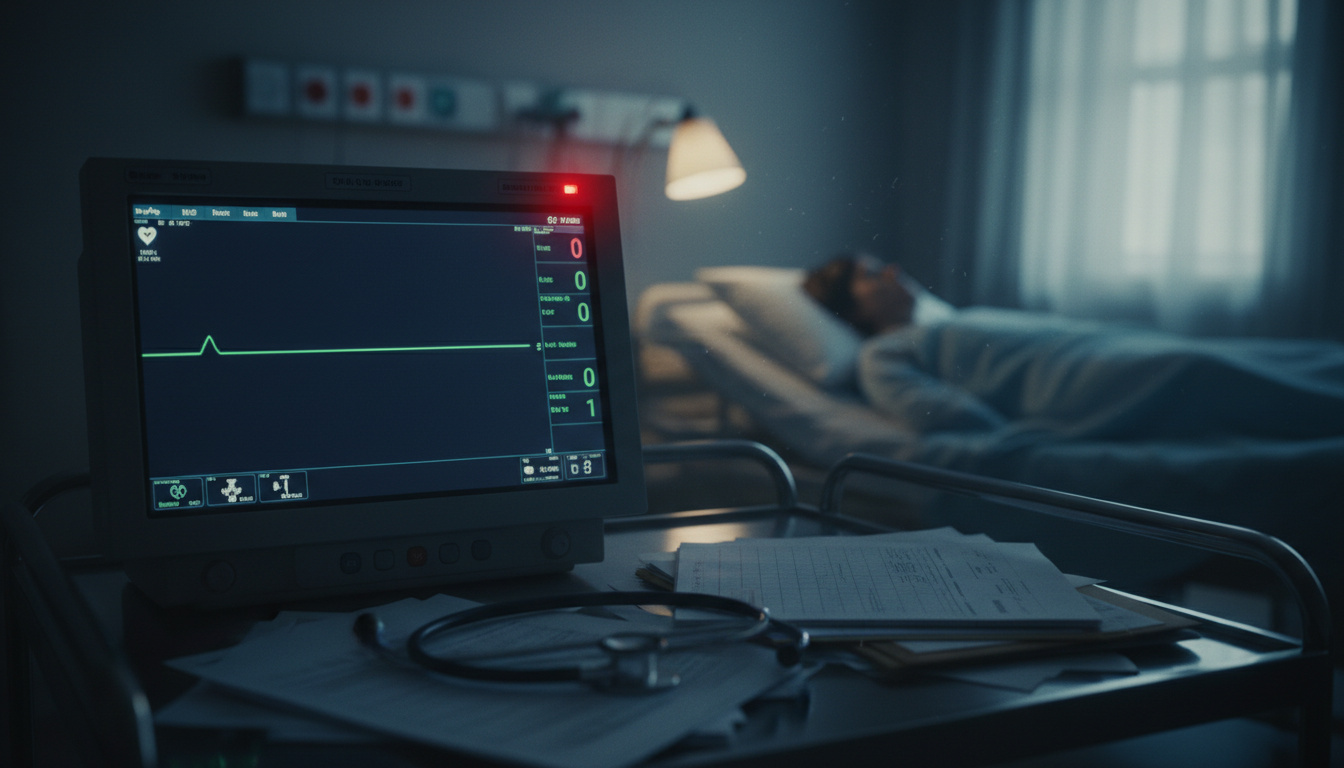
Sudden adult death syndrome represents one of medicine’s most troubling diagnoses, occurring when an apparently healthy person dies unexpectedly from cardiac arrest. Medical literature defines this condition as the sudden and unexpected death of adolescents and adults caused by cardiac arrest, typically resulting from abnormal heart rhythms in individuals whose hearts appear structurally normal or near-normal upon examination. Despite advances in forensic pathology, approximately one in five cases remains unexplained even after comprehensive post-mortem investigation, leaving families searching for answers about genetic predispositions and hidden electrical abnormalities that may have triggered the fatal event.
The syndrome predominantly strikes individuals aged one to fifty years, distinguishing it from cardiac deaths attributed to age-related arterial disease. While statistics suggest an incidence rate of roughly one to two cases per 100,000 population, the rarity of the condition offers little comfort to those with familial histories of unexplained sudden deaths. Understanding the distinction between sudden arrhythmic death syndrome and other forms of cardiac arrest remains crucial for accurate diagnosis and appropriate family screening protocols.
Rugby enthusiasts planning their viewing schedules can find comprehensive match information in our Rugby Fixtures This Weekend – Full Schedule, Times and TV Guide, while the medical community continues working to prevent such tragedies in athletic populations.
What Is Sudden Adult Death Syndrome?
At its core, sudden arrhythmic death syndrome describes fatalities occurring without warning in individuals who typically show no obvious signs of cardiovascular disease. Unlike heart attacks caused by blocked coronary arteries, SADS primarily involves electrical system failures that disrupt the heart’s rhythm. The condition specifically affects adolescents and adults, with diagnostic criteria requiring thorough exclusion of structural abnormalities, toxicological causes, and traumatic injuries through detailed autopsy procedures.
Key Facts About SADS
- SADS specifically refers to deaths where the heart appears structurally normal, unlike heart attacks caused by coronary artery disease
- Fewer than 20 genes have been definitively linked to inherited SADS conditions
- Hypertrophic cardiomyopathy represents the most common structural cause identified in young people
- Approximately 52% of victims experience chest pain in the week preceding death
- Ischemic heart disease causes 59–86% of sudden cardiac deaths in older adults, differing fundamentally from SADS
- Inherited electrical disorders include Long QT syndrome, Brugada syndrome, and catecholaminergic polymorphic ventricular tachycardia
- Regular cardiac screening can identify at-risk individuals before symptoms manifest, particularly in familial cases
Diagnostic Snapshot
| Fact | Details | Source Type | Medical Relevance |
|---|---|---|---|
| Pathological Definition | Sudden unexpected death from cardiac arrest in structurally normal hearts | Medical Encyclopedia | Diagnostic criteria differentiation |
| Unexplained Cases | 20.7% remain without identified cause after full autopsy | Pathology Study | Clinical uncertainty management |
| Age Distribution | Peak incidence between ages 1-50 years | Clinical Guidelines | Risk stratification protocols |
| Genetic Basis | Fewer than 20 genes identified as causative | Genomic Research | Hereditary screening programs |
| Population Incidence | Approximately 1-2 per 100,000 population | Epidemiological Data | Prevalence understanding |
| Prior Symptoms | 19% of victims had no known warning signs before death | Retrospective Studies | Detection challenges |
| Cardiac Attribution | 79.3% of sudden deaths attributed to cardiac conditions | Autopsy Research | Diagnostic accuracy rates |
| Structural Causes | Cardiomyopathies account for 25% of non-ischemic cases | Pathology Review | Autopsy focus areas |
What Causes Sudden Adult Death Syndrome?
The etiology of SADS encompasses a spectrum of electrical, structural, and genetic factors that disrupt the heart’s ability to maintain normal rhythm. While most cases involve inherited conditions, acquired triggers and anatomical variations contribute significantly to the overall burden of sudden death.
Inherited Electrical Disorders
The most frequent underlying mechanisms involve inherited disorders of the heart’s electrical conduction system. These channelopathies disrupt the organized ion flow necessary for effective pumping without necessarily altering the heart’s physical structure. Long QT syndrome creates delays in the heart’s repolarization phase, extending the interval between beats and potentially triggering dangerous ventricular arrhythmias. Brugada syndrome produces characteristic abnormal heartbeats that can degenerate into fatal rhythms, while catecholaminergic polymorphic ventricular tachycardia (CPVT) and progressive cardiac conduction defect (PCCD) represent additional hereditary electrical disturbances.
Structural Abnormalities
Physical changes to the heart muscle account for a significant subset of cases, particularly among younger victims. Hypertrophic cardiomyopathy, characterized by thickening of the ventricular walls, impedes effective blood flow and creates substrates for irregular electrical activity. The thickened muscle makes it difficult for the heart to pump blood effectively and can trigger irregular heartbeats. Dilated cardiomyopathy, arrhythmogenic right ventricular cardiomyopathy (ARVC), myocarditis, and congenital heart defects constitute additional structural triggers.
Fewer than 20 genes have been definitively linked to SADS conditions, with variable inheritance patterns depending on the specific mutation and affected cardiac region. First-degree relatives of victims should consider genetic counseling to assess inherited risk factors and determine appropriate screening intervals.
External and Acquired Triggers
Beyond inherited conditions, specific environmental and physiological factors can precipitate fatal events. Blunt chest trauma, termed commotio cordis, can induce sudden cardiac death without causing structural damage. Anomalous coronary artery placement, inflammatory disorders such as cardiac sarcoidosis, and medication interactions may trigger fatal arrhythmias. The SCN5A gene mutation specifically affects sodium channel function, altering electrical stability.
What Are the Symptoms and Warning Signs of SADS?
Contrary to popular perception that sudden death occurs without warning, clinical retrospective studies reveal that the majority of victims experience indicators, though these symptoms often receive minimal attention before the fatal event.
Preceding Clinical Indicators
Research indicates that approximately 52% of SADS victims experienced chest pain within the week before death, while 22% experienced unexplained shortness of breath. Syncope, or fainting episodes, occurred in 7% of cases, potentially representing transient self-terminating arrhythmic events that briefly disrupted cerebral blood flow. These warning signs frequently precede the fatal event by days, offering potential windows for medical intervention.
Asymptomatic Presentation
Concerningly, roughly 19% of victims demonstrate no recognizable prior symptoms, highlighting the insidious nature of underlying electrical or structural abnormalities. This asymptomatic subset presents the greatest challenge for preventive medicine, as standard physical examinations frequently fail to detect occult channelopathies or subtle structural changes capable of causing instantaneous death.
High-Risk Populations
Individuals with family histories of sudden cardiac death, particularly involving relatives under age 40, face elevated risk profiles. Those who have survived previous cardiac arrest events or experienced unexplained syncope during physical exertion require immediate comprehensive cardiac evaluation. Inherited conditions are often the underlying cause when individuals are unaware they have a heart condition, necessitating thorough family screening.
Is Sudden Adult Death Syndrome Linked to COVID-19 or Vaccines?
Recent public discourse has generated speculation regarding potential connections between SADS and COVID-19 vaccination programs. Medical literature examining sudden arrhythmic death syndrome contains no substantiated evidence establishing causal relationships between mRNA vaccines or viral vector immunizations and inherited channelopathies or cardiomyopathies.
While certain groups have cited vaccination as a potential trigger for sudden death, these claims lack validation in peer-reviewed medical literature and remain controversial within the cardiology community. Established causes continue to center on pre-existing genetic and structural cardiac conditions identified through decades of research.
The underlying pathophysiology of SADS—rooted in genetic mutations affecting ion channels or congenital structural abnormalities—predates the pandemic era by decades, with diagnostic criteria established in the 1990s. The syndrome’s mechanisms involve specific electrical system failures rather than inflammatory responses to viral proteins.
Ischemic heart disease causes 59–86% of sudden cardiac deaths in community settings, primarily affecting older adults. SADS specifically describes deaths in younger individuals with structurally normal hearts, typically resulting from electrical system disorders rather than arterial blockages or infectious processes.
How Has Medical Understanding of SADS Evolved?
The recognition of sudden arrhythmic death syndrome as a distinct clinical entity emerged during the 1990s in the United Kingdom, as pathologists began categorizing unexplained sudden deaths separately from coronary artery disease fatalities.
- : British medical researchers coin the term “sudden arrhythmic death syndrome” to classify deaths in young people with structurally normal hearts, distinguishing these cases from ischemic cardiac events ruled by extensive examination protocols.
- : Genetic research identifies initial ion channel mutations responsible for Long QT syndrome and Brugada syndrome, establishing the hereditary basis for many previously unexplained deaths.
- : A landmark autopsy-based study determines that 79.3% of sudden deaths stem from identifiable cardiac conditions, while 20.7% remain unexplained even after extensive examination.
- : Medical institutions implement systematic family screening protocols, recommending that first-degree relatives of SADS victims undergo genetic testing and cardiac monitoring.
- : Public awareness increases due to high-profile cases in athletic populations, though misinformation regarding vaccine associations emerges without clinical substantiation in the medical literature.
What Do Experts Consider Established Versus Uncertain?
Established Evidence
- Inherited electrical disorders (channelopathies) cause the majority of SADS cases in young people
- Hypertrophic cardiomyopathy represents the leading structural cause in individuals under 35
- Approximately 52% of victims experience chest pain, 22% experience dyspnea, and 7% experience syncope preceding death
- Fewer than 20 genes account for known hereditary forms with variable expression
- First-degree relatives face significantly elevated risk requiring systematic screening
- 20% of cases remain unexplained after comprehensive autopsy and toxicological analysis
Uncertain or Contested
- Specific environmental triggers that precipitate fatal events in genetically predisposed individuals
- Why certain gene carriers remain asymptomatic while others experience sudden death
- Potential role of recent vaccination in sudden death (lacks substantiation in peer-reviewed literature)
- Precise incidence rates across different ethnic populations and geographic regions
- Effectiveness of universal screening programs for asymptomatic athletes and young adults
- Long-term outcomes for individuals with borderline or ambiguous diagnostic findings
What Is the Broader Context of SADS in Cardiac Medicine?
The syndrome occupies a unique position in cardiovascular pathology, straddling the boundary between detected disease and unexplained tragedy. Pathologically, cardiomyopathies account for nearly 25% of non-ischemic sudden adult cardiac deaths, while inflammatory disorders contribute 8.6% of cases, and non-atherosclerotic coronary abnormalities account for 4.6%. These statistics underscore the complexity of identifying specific mechanisms when electrical function fails instantaneously.
Genetic counseling has become an integral component of post-mortem management, as variable inheritance patterns complicate risk assessment for surviving family members. Ion channel mutations may remain dormant until triggered by specific medications, including anesthetics and sleeping medications, necessitating detailed family medical histories prior to administering certain drug classes.
Football enthusiasts reviewing the Spurs v Man Utd – Match Preview, H2H Stats and Prediction should note that professional athletes typically undergo rigorous cardiac screening that may not be available to recreational competitors, highlighting disparities in detection capabilities between elite sports and community settings.
What Do Medical Authorities Say About SADS?
Sudden arrhythmic death syndrome (SADS) is the sudden and unexpected death of adolescents and adults caused by cardiac arrest, often resulting from abnormal heart rhythms in individuals with structurally normal or near-normal hearts.
— Wikipedia / Genomics Education Programme, NHS
Inherited conditions are often the underlying cause when individuals are unaware they have a heart condition. Those with a family history of sudden cardiac death, previous cardiac arrest, or unexplained syncope should undergo regular cardiac check-ups.
— Tampa Cardiovascular Associates / British Heart Foundation
Can Sudden Adult Death Syndrome Be Prevented?
While no prevention strategy eliminates all risk, systematic screening offers the most effective approach to identifying at-risk individuals before fatal events occur. Those with family histories of sudden cardiac death require immediate referral to cardiac electrophysiologists for comprehensive evaluation, including electrocardiograms, echocardiograms, and genetic testing where appropriate. Avoidance of known triggers—specifically medications that prolong QT intervals in susceptible individuals—provides additional protective measures. Regular cardiac check-ups remain essential for first-degree relatives, as early detection of channelopathies or cardiomyopathies enables lifestyle modifications and medical interventions that significantly reduce sudden death risk.
Frequently Asked Questions
How common is sudden adult death syndrome?
Epidemiological data indicates an incidence of approximately one to two cases per 100,000 population. The condition predominantly affects adolescents and adults under age fifty, with roughly 20% of cases remaining unexplained even after comprehensive post-mortem examination and cardiac pathology review.
What should families do if they suspect SADS?
Immediate consultation with a cardiac electrophysiologist is essential. First-degree relatives should undergo genetic counseling and specialized cardiac screening, including ECGs and echocardiograms. Family medical histories must be documented thoroughly to identify patterns of unexplained syncope or premature cardiac deaths across generations.
Is SADS the same as sudden infant death syndrome?
No. While both involve unexpected death, SIDS affects infants under one year, whereas SADS occurs in adolescents and adults. The underlying causes differ significantly, with SADS typically involving inherited cardiac channelopathies or cardiomyopathies rather than environmental or developmental factors.
Can sudden adult death syndrome be detected before death?
Sometimes. Approximately 81% of victims experience warning signs such as chest pain, shortness of breath, or fainting in the week preceding death. Cardiac screening including electrocardiograms, genetic testing, and imaging can identify electrical or structural abnormalities in asymptomatic at-risk individuals.
Are athletes at higher risk for SADS?
Athletes with undiagnosed hypertrophic cardiomyopathy or ion channel disorders face elevated risks during intense physical exertion. However, routine pre-participation screening helps identify most at-risk individuals. The absolute risk remains low, though sports activities may trigger fatal arrhythmias in those with underlying electrical abnormalities.
What medications should individuals with suspected SADS avoid?
Individuals with Long QT syndrome or related channelopathies should avoid medications that prolong the QT interval, including certain antibiotics, antipsychotics, and anesthetics. Genetic testing helps identify specific vulnerabilities, and patients should maintain updated lists of contraindicated drugs.