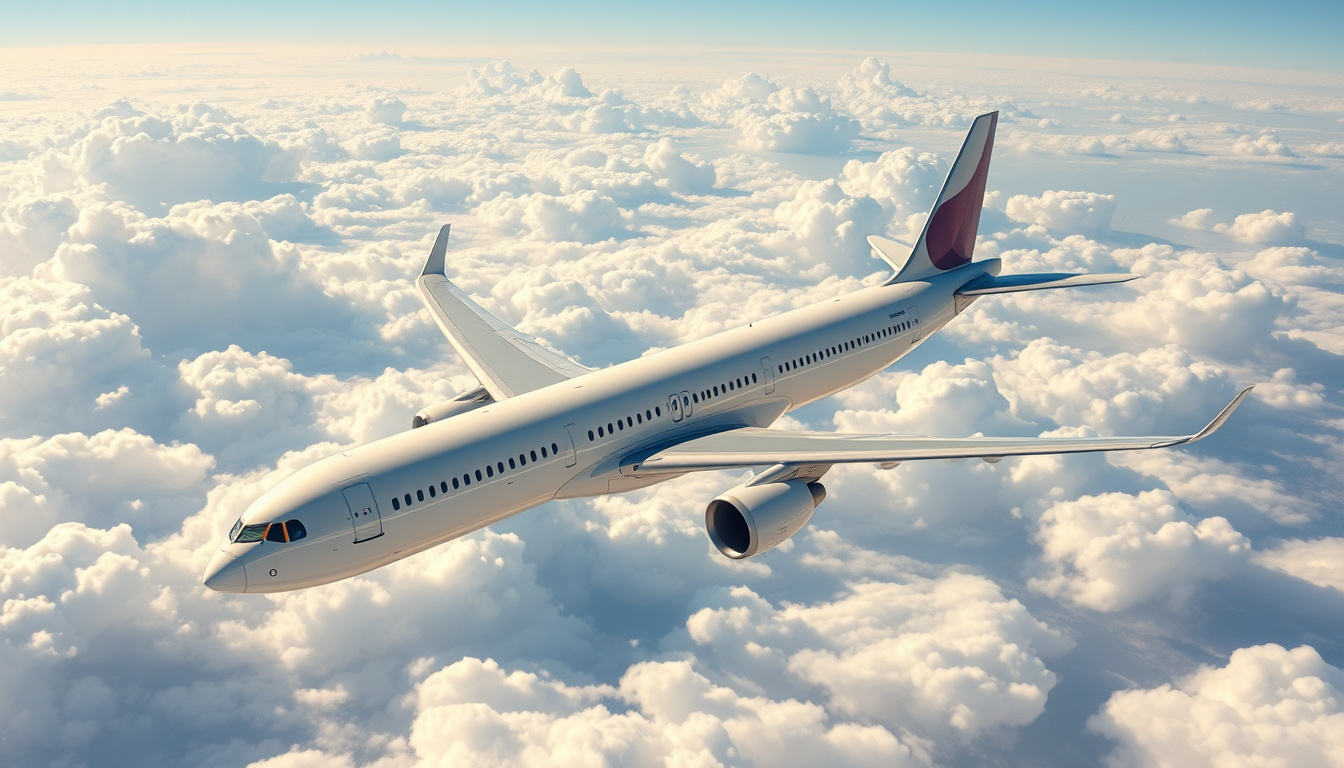
Airbus A330-300: Specifications, Range, Seating Capacity & Operators
The Airbus A330-300 stands as one of the most successful wide-body aircraft ever produced, serving airlines worldwide since the mid-1990s. This twin-engine jet has become a cornerstone of modern commercial aviation, offering operators an adaptable platform for routes ranging from regional hops to transoceanic missions. For comprehensive technical details directly from the manufacturer, visit Airbus A330-300 official specifications.
Designed as part of Airbus’s A330 family, the -300 variant delivers a balance of efficiency, capacity, and range that has kept it in production for over three decades. Airlines value its ability to carry large passenger loads while maintaining competitive operating costs compared to older four-engine alternatives.
Understanding the A330-300 means examining its technical specifications, operational history, and the role it plays in today’s fleet strategies. From cabin configurations to engine choices, this aircraft represents a mature technology platform that continues to evolve through modernizations like the A330neo variant.
What Are the Key Specifications of the Airbus A330-300?
The A330-300 measures 63.66 to 63.69 meters in length, making it one of the longer wide-body aircraft in its class. Its wingspan reaches 60.30 meters, while the aircraft stands 16.79 to 16.99 meters tall at the tail. The fuselage spans 5.64 meters in width, with a maximum cabin width of 5.26 meters that allows comfortable seating arrangements across multiple classes.
Performance figures reveal capabilities suited for demanding routes. The maximum range extends to 11,750 kilometers (6,350 nautical miles) when carrying 277 passengers in a standard configuration. Cruising speed reaches 880 kilometers per hour, with the aircraft certified to operate at Mach 0.86. Maximum fuel capacity sits at 139,090 liters, supporting those extended operations.
- Maximum takeoff weight reaches 242 tonnes, up from the 212 tonnes of earlier variants
- Maximum landing weight stands at 187 tonnes
- Maximum zero fuel weight is 175 tonnes
- Operating empty weight ranges from 121,200 to 124,600 kilograms
- ETOPS 330 certification enables extended operations over water
Seating Configurations and Capacity
The A330-300 offers airlines remarkable flexibility in cabin arrangement. High-density single-class layouts can accommodate up to 440 passengers, while typical two-class configurations seat around 335 travelers. Three-class setups generally hold 250 to 290 passengers, depending on luxury amenity choices.
Cargo capabilities complement passenger service with space for 33 LD3 containers in the underfloor hold. Alternative configurations allow 9 pallets plus 5 LD3 containers, giving airlines cargo revenue options on passenger flights.
| Metric | A330-300 | A330-200 |
|---|---|---|
| Maximum Range | 11,750 km | 13,400 km |
| Typical Seating | 335 passengers | 293 passengers |
| Maximum Takeoff Weight | 242 tonnes | 242 tonnes |
| Length | 63.7 m | 58.8 m |
| Engine Thrust | Up to 72,000 lbs | Up to 72,000 lbs |
Engine Options
Three engine manufacturers supply powerplants for the A330-300, each delivering up to 72,000 pounds of thrust. The General Electric CF6-80E1, Pratt & Whitney PW4000, and Rolls-Royce Trent 700 series represent mature technologies proven across millions of flight hours.
All three engines share high-bypass turbofan architecture optimized for fuel efficiency on long-haul missions. Operators select engines based on maintenance contracts, thrust preferences, and fleet commonality with existing aircraft types.
Which Airlines Operate the Airbus A330-300?
Major carriers across multiple continents have integrated the A330-300 into their fleets. Delta Air Lines, KLM, Cathay Pacific, and numerous other airlines operate the type on routes demanding wide-body capacity with efficient economics. Travelers interested in exploring travel options handled by this aircraft can find Package Holidays from Cork – 2025 Best Deals and Booking Guide for additional travel planning resources.
The aircraft serves diverse mission profiles, from high-density leisure routes to premium transatlantic services. Its operational versatility has made it attractive to airlines seeking flexibility in fleet deployment.
More than 800 A330-300 aircraft have been delivered since production began in 1992. Precise current delivery figures and complete operator lists require verification from aviation databases such as Airfleets aviation database or the official Airbus delivery census.
What Is the History and Production Status of the A330-300?
Development of the A330 family began in the early 1990s as Airbus sought to compete in the mid-range wide-body market. The A330-300 first flew in 1992, entering service shortly afterward with launch operator Cathay Pacific in 1994.
Production has continued steadily, with the type receiving incremental improvements over its manufacturing life. The introduction of the A330neo (new engine option) in later years brought updated variants while original production continued alongside.
Design Evolution
The A330-300 incorporates a low-wing cantilever monoplane design optimized for aerodynamic efficiency. The six-screen glass cockpit matches instrumentation found across other Airbus models, simplifying training for airlines operating mixed fleets.
Landing gear configuration includes a two-wheel nose assembly and four-wheel bogie main legs, supporting operations from standard runway lengths worldwide.
How Does the A330-300 Compare to Other Aircraft?
The A330-300 occupies a distinct market position between smaller wide-bodies like the Boeing 787 and larger four-engine aircraft being phased out by modern efficiency standards. Its capacity and range balance appeals to operators needing flexibility without four-engine operating costs.
When compared to the A330-200, the -300 variant offers greater seating capacity through its longer fuselage while maintaining identical engine thrust and maximum takeoff weight. The trade-off involves reduced range for the longer variant, as additional weight and drag decrease fuel efficiency on ultra-long sectors. Those seeking cruise vacation options might be interested in Last Minute Cruise Deals – Up to 85% Off Caribbean & Alaska for travel inspiration.
The A330-300 competes directly with the Boeing 777-200ER while offering lower fuel burn per seat. Airlines frequently cite the A330 family as delivering acceptable range with better unit economics for medium-demand routes. Detailed comparative analysis with the Boeing 777 specifications demonstrates these efficiency advantages.
What Is the Safety Record of the Airbus A330-300?
The A330-300 has accumulated a solid safety record across its decades of service. The type benefits from extensive ETOPS certification allowing extended operations over water or remote terrain, reflecting confidence in engine reliability and systems redundancy.
Aviation safety databases track incidents involving the type, with most occurrences attributed to external factors rather than fundamental aircraft design issues. The type’s mature technology and proven systems architecture support its continued production and operator confidence.
Regulatory Oversight
The European Union Aviation Safety Agency and the Federal Aviation Administration maintain type certification and ongoing airworthiness oversight for the A330-300. Operators must comply with standard maintenance programs and operational limitations established by these regulatory bodies. Detailed information about EASA airworthiness oversight demonstrates the rigorous standards applied to this aircraft type.
What Facts Are Established Versus Uncertain?
Maximum takeoff weight of 242 tonnes If you need to convert km to miles, you can find a helpful tool at $convert km to miles.
Maximum range of 11,750 km with 277 passengers
Three engine options delivering up to 72,000 lbs thrust each
Entry into service with Cathay Pacific in 1994
Seating configurations ranging from 250 to 440 passengers
Complete current operator list
Precise cumulative delivery numbers
A330neo transition timeline details
Fuel efficiency comparisons with exact data
Detailed incident statistics from 2024
Understanding the A330-300’s Role in Modern Aviation
The A330-300 represents a mature aircraft platform that has proven its value across thousands of airlines and millions of flight cycles. Its continued relevance stems from deliberate design choices prioritizing operational flexibility and cost efficiency.
Airlines continue ordering the type alongside newer variants, recognizing that proven technology offers advantages in maintenance predictability and pilot familiarity. The type’s role in connecting passengers across regional and intercontinental routes remains vital to global air transport infrastructure.
Sources and Industry References
Official Airbus specifications confirm the A330-300’s dimensions, weights, and performance envelopes based on type certification data.
Primary sources for this overview include official Airbus documentation, aviation safety databases maintained by EASA, and aircraft tracking services that compile fleet and operational data from airlines worldwide.
Summary
The Airbus A330-300 delivers a compelling combination of capacity, range, and efficiency that has sustained its production for over thirty years. With up to 440 seats in dense configurations and a maximum range exceeding 11,000 kilometers, the aircraft serves diverse airline needs across global networks. Three engine options from General Electric, Pratt & Whitney, and Rolls-Royce provide operational choice, while mature systems architecture supports reliable performance. For travelers exploring package holidays or cruise deals, the A330-300 frequently appears as the aircraft handling those routes.
Frequently Asked Questions
Is the Airbus A330-300 still in production?
Production of the A330-300 continues alongside the newer A330neo variants at Airbus facilities. The original design has remained in continuous production since the 1990s, with ongoing improvements incorporated over manufacturing years.
How safe is the Airbus A330-300?
The A330-300 maintains a solid safety record with ETOPS 330 certification enabling extended overwater operations. Regulatory oversight from EASA and FAA ensures continued airworthiness compliance for all operators.
What is the maximum range of the A330-300?
Maximum range reaches 11,750 kilometers when carrying 277 passengers in standard configuration. Actual range varies based on passenger load, cargo, and specific operational conditions.
How many passengers does the A330-300 carry?
Seating ranges from 250 passengers in premium three-class layouts to 440 in high-density single-class configurations. Typical two-class arrangements seat approximately 335 passengers.
What engines power the A330-300?
Three engine options are available: General Electric CF6-80E1, Pratt & Whitney PW4000, and Rolls-Royce Trent 700/772. Each delivers up to 72,000 pounds of thrust.
What is the maximum takeoff weight?
Maximum takeoff weight stands at 242 tonnes for current production variants, representing an increase from earlier models limited to 212 tonnes.