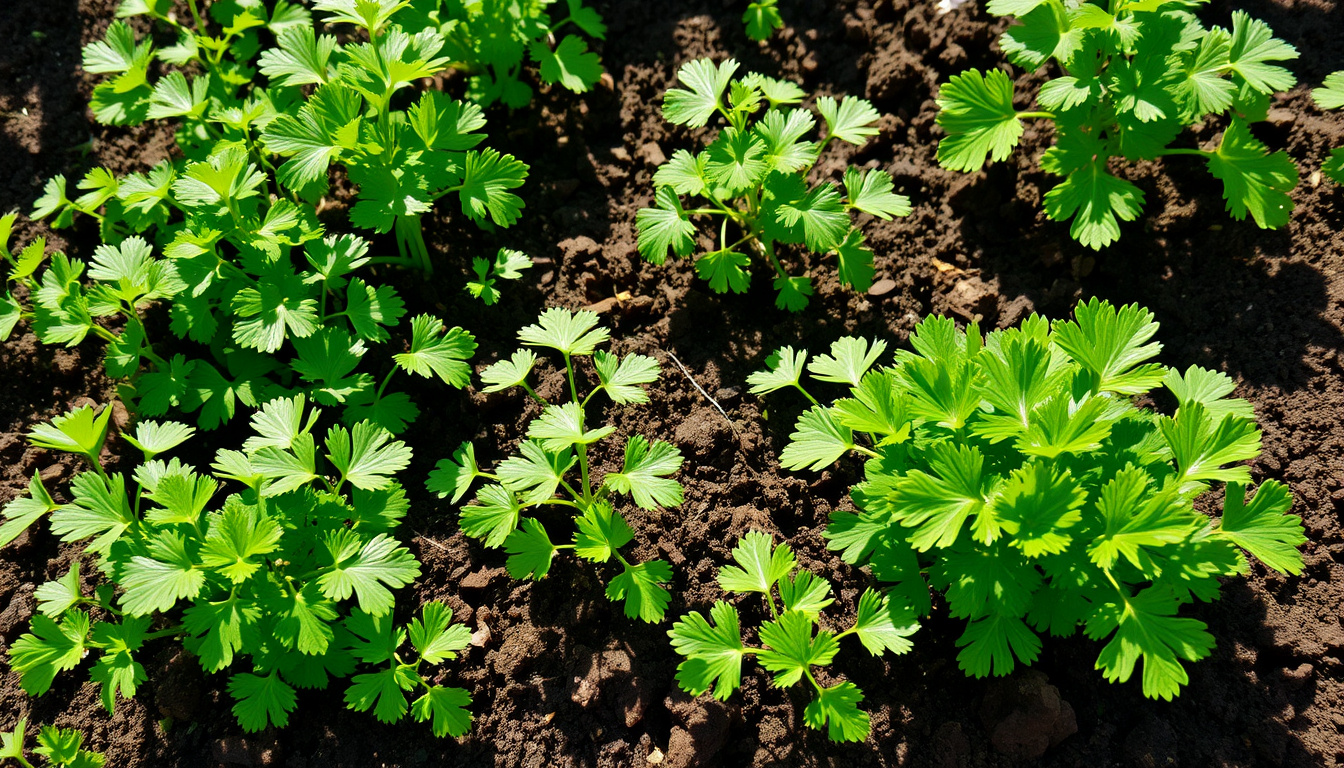
Cilantro is one of the fastest herbs to go from seed to harvest, yet its tendency to bolt in heat makes indoor growing the most reliable method for continuous supply. This guide covers everything from soaking seeds and rooting cuttings in water to choosing the right pots and preventing bolting, with verified timelines and sourced techniques.
Cut-and-come-again plant: Yes · Ease of growth: Easy for beginners · Typical lifespan: Annual herb · Propagation methods: Seeds, cuttings, water · Best seasons: Late spring and autumn
Quick snapshot
- Sow directly (Pete and Gerry’s)
- Mix with sand (Pete and Gerry’s)
- Late spring/autumn (Homes & Gardens)
- Wide pots (Backyard Boss)
- Well-drained soil (Spider Farmer EU)
- Mulch for moisture (Backyard Boss)
- Light shade (Homes & Gardens)
- Regular harvest (Preparedness Mama)
- Water propagation (Homes & Gardens)
- Cut and come again (Preparedness Mama)
- Avoid bolting (Preparedness Mama)
These five attributes make cilantro straightforward to grow indoors: it’s an annual herb, thrives in soil with pH 6.2-6.8, tolerates full sun to part shade, propagates from seeds or cuttings in water, and regrows after each harvest. The table below consolidates the key specifications from multiple sources.
| Attribute | Value | Source |
|---|---|---|
| Plant type | Annual herb | Homes & Gardens |
| Soil pH | 6.2-6.8 | Spider Farmer EU |
| Cuttings length | 4-6 inches | Homes & Gardens |
| Seed depth | 1/4 inch | Food Gardening Network |
| Thinning distance | 6 inches apart | Food Gardening Network |
What is the trick to growing cilantro?
Success comes down to four factors: soil quality and drainage, proper seed preparation, strategic spacing, and timing your plantings to match the herb’s cool-season preference. Soil with a pH between 6.2 and 6.8 provides the slightly acidic conditions cilantro needs, while mixing sand into the planting medium improves drainage and prevents the root rot that commonly kills container-grown plants. Soaking seeds for 24-48 hours before planting accelerates germination from weeks down to days, making this step essential rather than optional. Planting multiple seeds together in wide pots rather than thin rows mimics how cilantro grows naturally and creates the dense canopy that keeps roots cool and delays bolting through hot weather.
- Well-drained, slightly acidic soil with pH 6.2-6.8
- Full sun to part shade, avoiding intense afternoon heat
- Late spring and autumn plantings for best results
Timing matters significantly because cilantro prefers cooler temperatures. Sow seeds every 3 weeks during optimal seasons to maintain continuous harvests instead of one large batch followed by nothing. This succession planting approach keeps fresh leaves available throughout the growing season rather than dealing with gaps in production.
The pattern holds across sources: controlled temperatures and consistent harvesting outweigh any single soil amendment or fertilizer in determining cilantro’s success indoors.
Does cilantro grow back after cutting?
Cilantro is a cut-and-come-again plant, meaning regular harvesting encourages new growth rather than depleting the plant. When you cut outer leaves, the inner growing tip redirect its energy into producing replacement foliage, so consistent harvesting actually extends the productive life of each plant. This regeneration response depends on leaving the central growth point intact and maintaining adequate moisture levels in the soil. Without regular harvesting, cilantro allocates energy toward stem elongation and flowering instead of leaf production, which degrades both yield and flavor quality.
- Cilantro is a cut-and-come-again plant (Preparedness Mama)
- Harvest outer leaves first to encourage regrowth (Homes & Gardens)
- Leave central growth point intact for continued production (Preparedness Mama)
Thinning seedlings to 6 inches apart and cutting outer leaves regularly produces more total harvest than planting the same number of seeds in a single batch. The trade-off is smaller individual plants versus extended productivity over months.
The catch is that this regeneration only lasts so long before the plant naturally bolts and goes to seed. Cool temperatures between 60-75°F slow bolting, and crowding plants together shades the soil, keeping roots cooler and extending the leaf-production phase. Once cilantro bolts, leaf quality drops sharply and the plant becomes bitter, so managing harvest timing against bolting pressure determines how much total yield you can expect from each planting.
Are cilantro plants easy to grow?
For beginners, cilantro presents an accessible entry point to herb gardening with forgiving basic requirements. The plant handles inconsistent watering better than many herbs and adapts to both full sun and partial shade, making it suitable for less-than-ideal indoor window placements. Starting from seeds eliminates the pest and shock issues that commonly affect nursery-bought transplants, and the relatively fast germination of 7-10 days provides quick feedback on whether your setup is working. Cilantro’s taproot does create one meaningful constraint: the plant dislikes disturbance from transplanting, so seeds must go into their final containers from the start, which limits flexibility in container placement once established.
- Propagate from seeds or cuttings rather than nursery plants to avoid pest issues (Urban Leaf)
- Water when the top inch of soil feels dry, typically every few days
- Seeds germinate in 7-10 days (Gurney’s Seed)
- First harvest arrives around 30 days from sowing (Food Gardening Network)
Growing cilantro from seed is the most cost-effective approach for beginners. A single seed packet produces multiple harvests over weeks, and failed attempts waste minimal resources since seed starting requires only small containers and basic potting mix.
The practical benefit is that a single packet of seeds costs less than one grocery-store bunch and produces multiple harvests over weeks. Even unsuccessful attempts waste minimal resources since seed starting requires only small containers, basic potting mix, and a sunny windowsill, making cilantro one of the most cost-effective herbs for beginners to practice with before investing in more demanding plants.
Can I grow cilantro from a piece of cilantro?
The most straightforward method uses stem cuttings rooted in water—a technique requiring only a jar and windowsill space. Select healthy stems 4-6 inches long from grocery store bunches or existing plants, strip the lower leaves to prevent rotting in water, and place the stems in 2 inches of room-temperature water in a clear jar. Position the jar in bright indirect light and change the water every couple of days until white roots develop in 2-3 weeks, then transplant to potting soil for continued growth.
- Select stems 4-6 inches long with a few leaf sets intact (Homes & Gardens)
- Submerge bottom 2 inches in room-temperature water in a clear jar (Homes & Gardens)
- Change water every 2-3 days; roots develop in 2-3 weeks (Food Gardening Network)
Cilantro propagates reliably from stem cuttings placed in water. Every time you harvest, setting aside a few extra stems for water rooting creates a continuous supply without buying new seeds or plants. The trade-off is that cutting-grown plants have shorter productive lifespans than seed-grown plants.
The growing method determines what you harvest: seeds produce plants with deeper root systems and longer productive lifespans, while cuttings grow faster but yield less over time. If you want one productive plant that lasts months, start from seeds; if you want quick leaves now, use cuttings.
How to grow cilantro in pots or indoors?
Container growing requires attention to three elements: soil composition, pot selection, and light management. Cilantro thrives in slightly acidic soil between pH 6.2 and 6.8 with good drainage, while crowding plants together creates a dense canopy that shades roots and slows the bolting that hot conditions trigger. Terracotta, glazed clay, and plastic pots all work, though terracotta’s porous walls help prevent overwatering by allowing soil to breathe. Shallow containers around 6 inches deep suit the cut-and-come-again harvest method well, though deeper pots accommodate the taproot better if you’re focused on seed production.
- Use well-draining soil with pH 6.2-6.8 (Spider Farmer EU)
- Terra cotta, glazed clay, or plastic pots all suitable (Gurney’s Seed)
- Keep soil consistently moist but not waterlogged (Spider Farmer EU)
- Crowding plants shades roots and delays bolting (Pete and Gerry’s)
Light intensity matters more than duration, though most sources recommend positioning cilantro in south-facing windows or supplementing with grow lights during darker seasons. Partial afternoon shade in hot climates prevents the temperature spikes that cause premature bolting, and applying mulch around plants retains moisture while keeping soil temperatures moderate—directly supporting leaf production over flower stalk development.
Growing from seeds produces stronger plants with deeper root systems and longer productive lifespans, while cuttings grow faster but yield less over time. If you want one productive plant that lasts months, start from seeds; if you want quick leaves now, use cuttings.
Steps: How to grow cilantro from seed
- Soak seeds in room-temperature water for 24-48 hours before planting to improve germination (Food Gardening Network)
- Prepare containers with well-draining potting mix in 6-inch shallow pots; cilantro dislikes transplanting, so use final containers from the start (Pete and Gerry’s)
- Plant seeds 1/4 inch deep, 2 inches apart, and cover with thin layer of soil; for leaf harvest, sow thickly rather than in single rows (Food Gardening Network)
- Maintain moisture by keeping soil consistently moist but not waterlogged; cover with plastic wrap until seeds sprout to retain humidity (Preparedness Mama)
- Thin seedlings to 6 inches apart after they develop two true leaves to allow proper growth (Food Gardening Network)
- Provide light with 6-8 hours of sunlight or equivalent grow light; south-facing windows work well indoors (Backyard Boss)
- Begin harvesting outer leaves when plants reach 6 inches tall; regular harvesting delays bolting and encourages new growth (Gurney’s Seed)
The harvest timeline reveals the practical payoff: first leaves at 30 days, full harvest by 40-45 days. Sow every 3 weeks to keep fresh herbs coming through the season. Roots form on cuttings in 2-3 weeks in water.
Cilantro grown indoors can match or surpass outdoor harvests in quality. One gardener reports not growing it outside anymore because indoor yields are faster and cleaner (YouTube).
Clarity Section
Most practices are confirmed by multiple sources; a few claims lack strong verification.
Confirmed
- Cilantro is an annual herb producing tangy leaves
- Propagation succeeds from seeds and stem cuttings in water
- Plants dislike transplanting due to taproot structure
- Regular harvesting delays bolting and boosts regrowth
- Soil pH 6.2-6.8 supports optimal growth
Unclear
- Exact extent of coffee grounds benefits unverified
- Specific indoor light duration lacks consensus across sources
“You can start growing new cilantro plants in a jar of water on the windowsill. It is a way to get new herb plants by simply taking a few extra stems each time you harvest cilantro to use for any recipes.”
Drew Swainston — Gardens Content Editor, Homes & Gardens (Homes & Gardens)
“The bottom of the stems should be submerged in at least two inches of room-temperature water… Put this glass in a bright spot to get lots of indirect sunlight, but not direct sun, which risks leaf scorching the plants.”
Spider Farmer EU — Indoor Gardening Specialist (Spider Farmer EU)
“Growing cilantro from seed is the only way to frugally get the organic supply you want.”
Preparedness Mama — Author (Preparedness Mama)
For anyone wanting fresh herbs year-round, cilantro is one of the most rewarding herbs to grow indoors with just a windowsill, a jar of water, and a little patience. Both seeds and stem cuttings work well—the choice depends on whether you want immediate gratification or a more sustainable, longer-term supply. Starting from seeds gives you stronger plants with deeper roots and a more reliable harvest over time, while cuttings offer faster results if you already have a mature plant to draw from. Success hinges on controlling temperature to prevent bolting and maintaining consistent moisture without waterlogging. Once you nail those basics, you’ll have fresh cilantro for months.
Related reading: how to make pancakes · chicken breast in air fryer
Cilantro adapts well to home setups much like in this Spanish step-by-step cilantro guide, offering practical tips for pots, seeds, and continuous harvests.
Frequently asked questions
What is the lifespan of a cilantro plant?
Cilantro is an annual herb, completing its life cycle in one growing season. With regular harvesting using the cut-and-come-again method, you can extend its productive period by several weeks or months before it eventually bolts and goes to seed.
Do coffee grounds help cilantro grow?
While coffee grounds are sometimes used as a soil amendment, there’s no strong evidence specifically supporting their use for cilantro. Focus instead on well-draining soil with a pH of 6.2-6.8 and consistent moisture for reliable results.
Will cilantro come back every year?
As an annual, cilantro completes its lifecycle in one season and won’t return the following year on its own. However, if you allow some plants to bolt and drop seeds, those seeds may germinate the next season, effectively giving you volunteer plants.
How to grow cilantro for beginners?
Starting from seeds is the most beginner-friendly approach. Soak seeds 24-48 hours beforehand, then plant them 1/4 inch deep in well-draining potting soil. Keep consistently moist and provide adequate light. Seeds germinate in 7-10 days and are ready for first harvest around 30 days after sowing.
How to grow cilantro from roots?
Stem cuttings from grocery store cilantro can be rooted in water. Select fresh stems with healthy leaves, remove lower leaves, and submerge the bottom 2 inches in water. Change water every few days until roots form in 2-3 weeks, then transplant to soil.
How to grow cilantro without seeds?
Propagation from stem cuttings is the primary seed-free method. Take 4-6 inch cuttings from healthy plants, remove lower leaves, and root them in 2 inches of water in a bright spot. Roots develop in 2-3 weeks. Alternatively, some gardeners report success with grocery store herb remnants placed directly in water.