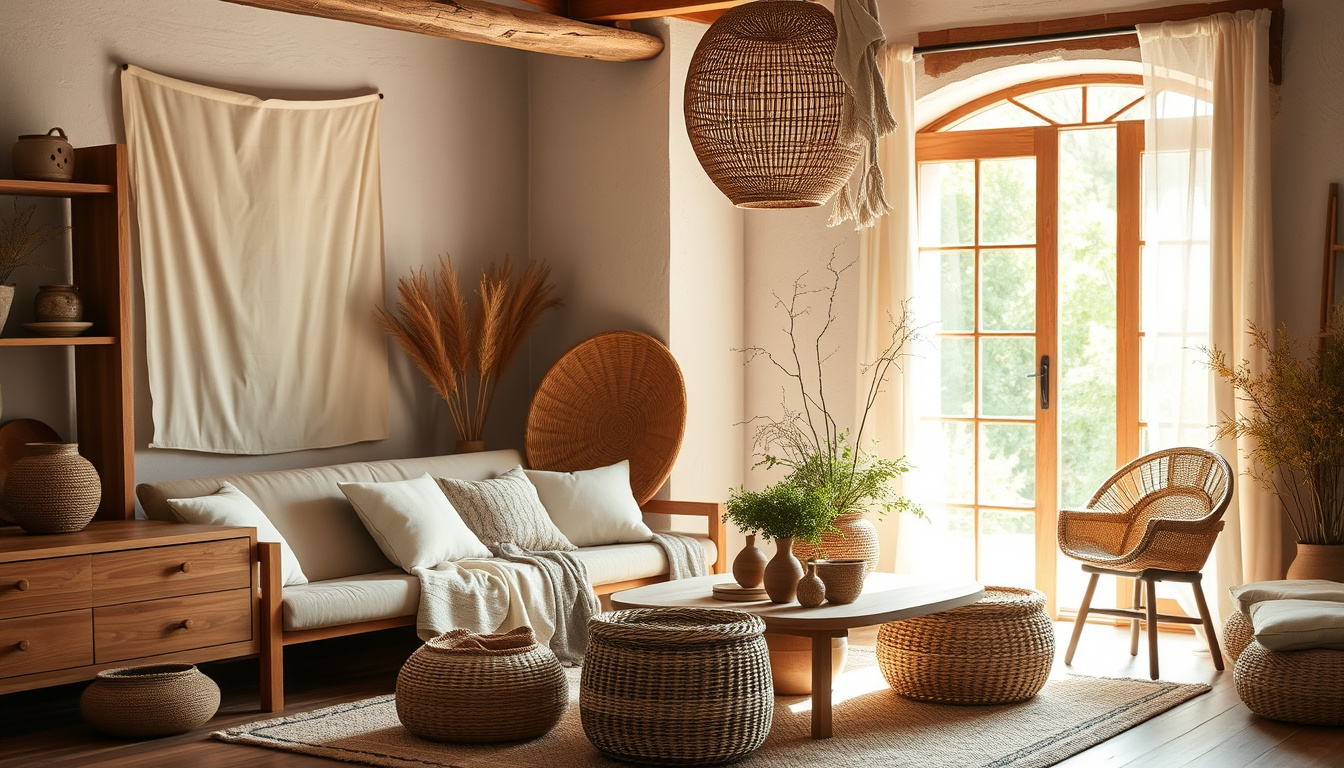
Anyone who has tried to find homeware that is both beautiful and responsibly made knows the search can feel endless, but Nkuku—a Devon-based brand—has been offering that combination since 2006 by handcrafting furniture, lighting, and accessories with artisans across India, Indonesia, and Africa. The brand says it has cut plastic packaging by 85% since 2019, a claim that signals a serious commitment to sustainability.
Founded: 2006 (Nkuku Our Story) ·
Headquarters: Totnes, Devon, UK (Endole Company Profile) ·
Ethical Stance: Fair trade, sustainable materials, artisan partnerships (Nkuku Sustainability Policy) ·
Product Range: Furniture, lighting, kitchen & dining, soft furnishings, accessories (Nkuku Our Story) ·
Retailers: Nkuku.com, Next, ufurnish, Kayu Home, The Homeware Outlet (Nkuku)
Quick snapshot
- Fair trade principles (Natural Collection Blog)
- Handcrafted by skilled artisans (Nkuku Our Story)
- Natural and reclaimed materials (Nkuku Materials Guide)
- Furniture (tables, chairs, shelving) (Nkuku)
- Kitchen & dining, lighting, soft furnishings (Nkuku)
- Accessories and gifts (Nkuku)
- Mid-to-high range (Earthly Treasures)
- Dining table approx. £500–£1500 (Nkuku)
- Accessories from £10–£100 (Nkuku)
- Nkuku.com (Nkuku)
- Next (online and selected stores) (Next)
- ufurnish, Kayu Home, The Homeware Outlet (Nkuku)
Seven key facts that define the brand at a glance.
| Attribute | Details |
|---|---|
| Founded | 2006 (Nkuku Our Story) |
| Founders | Ali and James (Nkuku Our Story) |
| Headquarters | Totnes, Devon (Endole) |
| Ownership | Privately owned; Bridges Fund Management invested in 2021 (PitchBook) |
| Flagship Store | Dartington, Devon (Endole) |
| Key Retail Partners | Next, ufurnish, Kayu Home, The Homeware Outlet (Nkuku) |
| Sustainability Certifications | B Corp (score 96.4); Fairtrade partnerships (Nkuku Sustainability Policy) |
The implication: Nkuku’s ownership structure and certification status give it a credible foundation, but the lack of a formal B Corp public listing before 2023 suggests room for greater transparency.
Is Nkuku a good brand?
This is the question most shoppers ask first. The short answer is yes, by most measures, Nkuku delivers on its promises of quality and ethics. But let’s break down the evidence.
What do customers say about Nkuku quality?
- Trustpilot reviews consistently praise product durability and design aesthetics (ReviewsBird (aggregated Trustpilot data)).
- Earthly Treasures, a specialist ethical retail blog, describes Nkuku as “one of the most credible ethical home brands available in the UK” (Earthly Treasures).
- Natural Collection highlights the handmade quality and natural materials used across the range (Natural Collection Blog).
Customers frequently mention that furniture feels solid and lighting pieces are well-finished. The brand’s use of mango wood, recycled glass, and natural fibres contributes to a distinctive look that holds up over time.
How does Nkuku rate for ethical practices?
- Nkuku is a certified B Corporation with a score of 96.4, placing it well above the median score of 50.9 (Nkuku Sustainability Policy).
- It works with the 10 Principles of Fair Trade, according to the Natural Collection Blog (Natural Collection Blog).
- Plastic packaging has been reduced by 85% since 2019, and the brand aims to eliminate polystyrene and bubble wrap entirely (Nkuku Sustainability Policy).
The pattern: Nkuku’s B Corp certification and plastic reduction commitments are well-documented, but the brand’s supply chain transparency could be deeper — exact factory locations are not publicly listed.
The bottom line: Nkuku earns its reputation through third-party verified B Corp status and concrete environmental targets, though supply chain details remain opaque.
For a brand that positions itself as a leader in ethical homeware, the B Corp score of 96.4 is a strong independent validation. Shoppers can trust that the sustainability claims are third-party verified, not just marketing.
Who is the owner of Nkuku?
Understanding the people behind a brand can build trust. Nkuku was founded by a couple named Ali and James, whose last names are not publicly disclosed. The brand remains privately owned in the UK.
Who founded Nkuku?
- Ali and James started Nkuku in 2006 from their home in Devon, driven by a passion for artisan crafts and ethical trade (Nkuku Our Story).
- They remain involved in the day-to-day running and creative direction of the brand (Nkuku Our Story).
Is Nkuku independently owned?
- Yes, Nkuku Limited is a privately held company registered in England and Wales (Endole).
- In 2021, Bridges Fund Management, a sustainable investment firm, took a minority stake to support the brand’s growth while preserving its ethical mission (PitchBook).
The trade-off: The investment from Bridges brings capital for expansion but also introduces external expectations. The founders retain control, but the brand’s growth trajectory may shift toward more commercial channels.
Is Nkuku expensive?
Nkuku’s pricing sits in the mid-to-premium range. A dining table costs between £500 and £1,500, while smaller accessories start at around £10. This places it alongside brands like Oliver Bonas and Cox & Cox.
What is the price range of Nkuku products?
- Furniture: £100 for a small side table up to £1,500 for a large dining table (Nkuku).
- Lighting: £30–£200 (Nkuku).
- Kitchen & dining: £10–£100 (Nkuku).
- Soft furnishings and accessories: £10–£80 (Nkuku).
How does Nkuku pricing compare to similar ethical brands?
- Earthly Treasures notes that Nkuku’s pricing is comparable to other ethical homeware brands like Cox & Cox and Oliver Bonas, but the craftsmanship and materials justify the premium (Earthly Treasures).
- Moral Fibres, a sustainable lifestyle site, includes Nkuku in its ethical furniture guide, acknowledging the higher price point as a reflection of sustainable sourcing and fair labour (Moral Fibres).
What this means: You pay more for Nkuku, but the cost reflects handcrafted production, sustainable materials, and fair trade practices. If budget is a concern, the sale sections on Next and The Homeware Outlet offer discounts.
Where are Nkuku products made?
Nkuku products are handcrafted by artisan partners in India, Indonesia, and parts of Africa. The brand selects materials locally and uses traditional techniques.
Which countries does Nkuku work with?
- India, Indonesia, and Africa are the primary production regions (Nkuku Our Story).
- Each product listing on the website indicates the country of origin, but the brand does not publish a full factory list (Nkuku).
What materials are sourced?
- Recycled glass, reclaimed wood, natural fibres like jute and hemp, mango wood, rattan, ceramic, leather, and recycled metal (Nkuku Materials Guide).
- The brand uses trees that are harvested only after they stop bearing fruit, minimising waste (Nkuku Materials Guide).
- Recycled glassware production reduces emissions by 30% compared to manufacturing new glass (Nkuku Materials Guide).
The catch: While the material sourcing is transparent, the exact distribution of production across regions is not detailed. This limits independent verification of fair labour conditions at each workshop.
Nkuku’s reliance on small artisan workshops keeps traditional skills alive and reduces industrial pollution, but it also means less control over every link in the supply chain compared to a factory-based model.
Where are Nkuku shops and where can I buy Nkuku?
Nkuku operates a flagship store in Dartington, Devon, and sells through a network of online and physical retailers across the UK.
Does Nkuku have its own stores?
- Yes, the flagship store is at Lower Tweed Mill, Shinners Bridge, Dartington, Totnes TQ9 6JB (Endole).
- No other standalone Nkuku stores exist; the brand relies on third-party retail partners for wider reach (Nkuku).
Which retailers stock Nkuku?
- Next (online and selected stores) (Next).
- ufurnish, Kayu Home, The Homeware Outlet (Nkuku).
- Online at nkuku.com with UK delivery (Nkuku).
The pattern: Nkuku’s distribution strategy is a mix of direct-to-consumer and premium retail partnerships. This allows the brand to maintain its artisan image while accessing Next’s mass-market audience.
One striking pattern across Nkuku’s product line: the materials speak for themselves.
| Attribute | Typical Specifications |
|---|---|
| Materials Used | Recycled glass, mango wood, rattan, jute, hemp, ceramic, leather, recycled metal (Nkuku Materials Guide) |
| Production Regions | India, Indonesia, Africa (Nkuku Our Story) |
| Packaging Reduction | 85% plastic reduction since 2019 (Nkuku Sustainability Policy) |
| Certifications | B Corp (score 96.4), Fairtrade principles (Nkuku Sustainability Policy) |
| Shipping | UK mainland delivery; international shipping limited (Nkuku) |
| Furniture Assembly | Most items require partial assembly; instructions included (Nkuku) |
The takeaway: Nkuku’s product specifications reflect a deliberate choice of natural and recycled inputs, but the lack of full assembly details and international shipping options may limit some buyers.
Upsides
- B Corp certified with high score (96.4) – independent verification of sustainability (Nkuku Sustainability Policy)
- Handcrafted quality using natural and recycled materials (Natural Collection Blog)
- Strong customer reviews on durability and design (ReviewsBird)
- Plastic packaging reduction of 85% and commitment to eliminate polystyrene (Nkuku Sustainability Policy)
- Fair trade partnerships with artisan workshops in developing countries (Natural Collection Blog)
Downsides
- Mid-to-premium pricing may be unaffordable for budget-conscious shoppers (Earthly Treasures)
- Limited physical stores – only one flagship in Devon (Endole)
- Supply chain transparency is incomplete; no public factory list (Nkuku Our Story)
- Some products contain leather, limiting appeal for vegan shoppers (Nkuku Materials Guide)
- International shipping is not widely available (Nkuku)
What we know and what’s still unclear
Confirmed facts
- Nkuku was founded in 2006 in Devon, UK (Nkuku Our Story)
- Headquarters and flagship store located in Dartington, Totnes (Endole)
- B Corp certified with a score of 96.4 (Nkuku Sustainability Policy)
- Plastic packaging reduced by 85% since 2019 (Nkuku Sustainability Policy)
- Products handcrafted in India, Indonesia, and Africa (Nkuku Our Story)
- Bridges Fund Management invested in 2021 (PitchBook)
What’s unclear
- Founders’ last names are not publicly documented (Nkuku Our Story)
- Exact distribution of where each product line is made (Nkuku Our Story)
- Whether Nkuku holds formal sustainability certifications beyond B Corp (e.g., specific Fairtrade label) (Nkuku Sustainability Policy)
- Full details of the Bridges Fund Management investment terms (PitchBook)
- Exact timeline for next B Corp review (Nkuku Sustainability Policy, medium confidence)
- Verification of claim that trees are harvested only after they stop bearing fruit (Nkuku Materials Guide, medium confidence)
“Our core values remain Ethical, Eco-Friendly, and Handmade.”
— Ali, co-founder of Nkuku (Nkuku Our Story)
“We are delighted to invest in Nkuku and support its mission to bring ethical homeware to a wider audience.”
— Bridges Fund Management representative (PitchBook company profile)
For UK shoppers who value ethical production and unique design, Nkuku offers a compelling option. The trade-off is price: you pay a premium for the artisan process and sustainable materials. But if you are looking for a brand that walks the talk on sustainability, Nkuku’s B Corp certification and plastic reduction commitments put it ahead of many competitors. The choice is clear: invest in pieces that last, or settle for faster, cheaper alternatives.
Interested in more homeware comparisons? Read our Kettle and Toaster Sets: Best Deals, Brands & Buying Guide (2025) for product-level insights. Also check out Home Store and More Waterford: Location, Products, and Facts for another home retail perspective.
propersofa.co.uk, shophomestyles.com, kayuhome.co.uk, nkuku.com
Like Nkuku, Kip & Cos sustainable home range prioritises sustainable materials and artisanal craftsmanship in its home collections.
Frequently asked questions
What is Nkuku’s return policy?
Nkuku offers a 30-day return policy for items in original condition. Customers should contact hello@nkuku.com or call 03332400155 to initiate a return (Nkuku).
Does Nkuku offer international shipping?
Currently, Nkuku ships primarily within the UK mainland. International shipping is limited and not available for all products. Check the website for specific delivery options (Nkuku).
How should I care for Nkuku furniture?
Care instructions vary by material. General advice: avoid direct sunlight and moisture, dust regularly, and use coasters for glass and ceramic items. The brand provides specific care guides on product pages (Nkuku).
Are Nkuku products vegan?
Not all products are vegan — some items incorporate leather. The materials guide lists leather as one of the materials used. Vegan shoppers should check individual product descriptions (Nkuku Materials Guide).
Does Nkuku have a loyalty programme?
As of now, Nkuku does not operate a formal loyalty or rewards programme. Customers can sign up for the newsletter to receive updates on new collections and sales (Nkuku).
Is Nkuku a good brand for ethical shopping?
Yes, Nkuku is considered a strong ethical brand due to its B Corp certification, fair trade partnerships, and use of sustainable materials. It is a recommended option for shoppers prioritising ethics and quality (Earthly Treasures).
Where can I buy Nkuku furniture?
Nkuku furniture is available on nkuku.com, at Next, ufurnish, Kayu Home, and The Homeware Outlet. The flagship store in Dartington, Devon, also offers the full range (Nkuku).
Does Nkuku sell Christmas decorations?
Yes, Nkuku releases seasonal collections including Christmas decorations, typically featuring handmade ornaments using natural materials. Check the website during the holiday season (Nkuku).